Best Yellowstone Route by Trip Length: 1, 2 & 3 Days
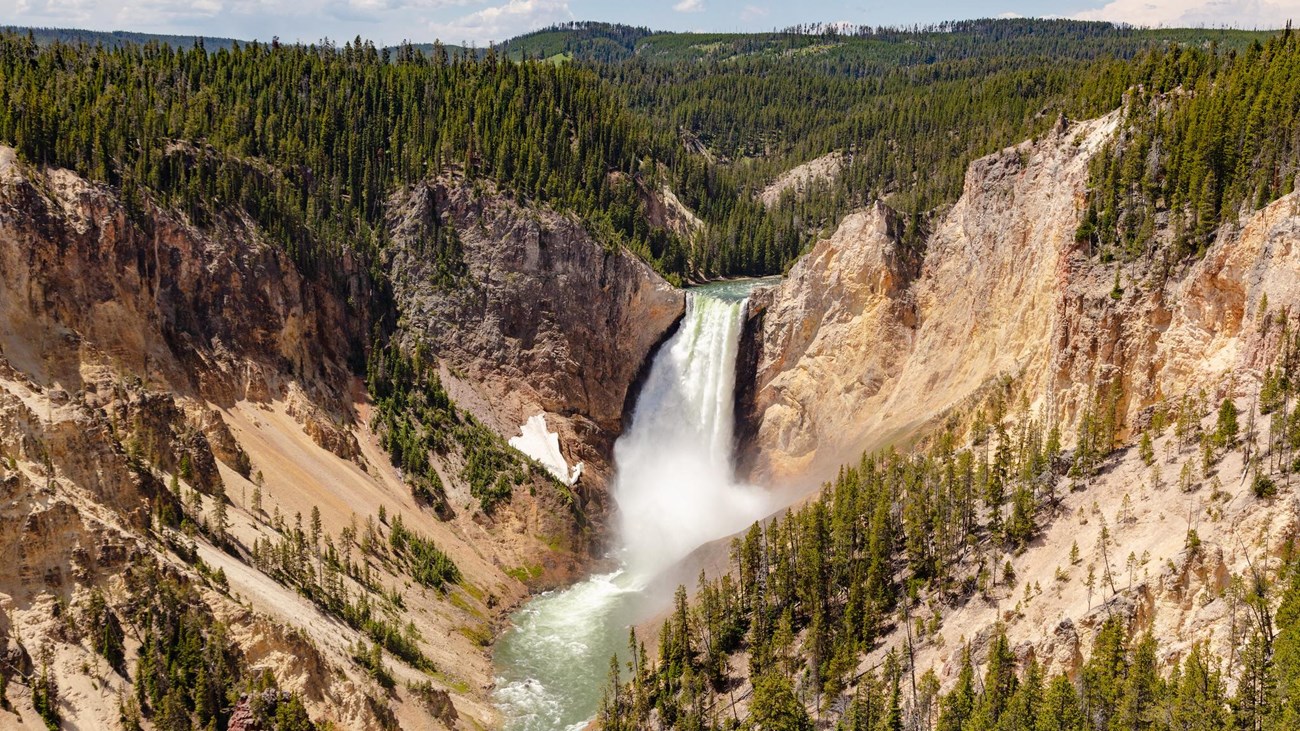
This post may contain affiliate links. If you book or purchase through them, I may earn a small commission at no additional cost to you. I only recommend products and services that I believe are useful for planning a Yellowstone trip.
Table of Contents
Planning a Yellowstone trip gets much easier once you stop trying to build your itinerary around a giant list of attractions.
The better approach is to build your trip around Yellowstone’s road system and the amount of time you actually have.
Yellowstone is enormous, and attractions that look relatively close on a map can take much longer to reach once you account for wildlife, traffic, construction, parking, scenic stops, and time spent actually exploring.
That’s why the best Yellowstone route for one day looks very different from the best route for three days.
With one day, you’ll need to prioritize aggressively.
With two days, you can divide the park into more manageable areas.
With three days, you finally have enough time to separate Yellowstone’s major geothermal, canyon, and wildlife regions without spending the entire trip racing around Grand Loop Road.
This guide shows you how to route Yellowstone with 1, 2, or 3 days, what to prioritize at each trip length, and what to leave for another visit.
2026 Yellowstone Update: Yellowstone National Park does not require vehicle reservations or timed entry in 2026. You still need a park entrance pass. Road conditions, construction, and temporary closures can affect your route, so check current conditions before each driving day.
Quick Answer
Here’s the simplest way to think about your Yellowstone route:
| Time | Best Approach |
|---|---|
| 1 Day | Choose a focused route through Yellowstone’s highest-priority highlights |
| 2 Days | Divide the park into two geographic areas and avoid unnecessary backtracking |
| 3 Days | Separate geothermal areas, Canyon/Hayden Valley, and the northern wildlife region |
For most first-time visitors, three days is the sweet spot.
It gives you enough time to experience Old Faithful and Yellowstone’s major geothermal features, Grand Canyon of the Yellowstone, and at least one major wildlife area without forcing every destination into the same driving day.
But there isn’t one perfect Yellowstone route for everyone.
Where you’re staying and which entrance you’re using matter. A traveler entering from West Yellowstone shouldn’t necessarily follow the same order as someone staying near Gardiner or entering from Grand Teton.
That’s why the routes in this guide focus on geographic efficiency rather than rigid schedules.
WTT Tip: Don’t start by asking how many Yellowstone attractions fit into your day. Start with the part of the park you’re exploring, then add the highest-priority stops that fit naturally along that route.
Make Your Yellowstone Drive a Self-Guided Tour
Once you know which Yellowstone route you’re taking, you can make the driving time part of the experience instead of simply traveling from one stop to the next.
GuideAlong is a self-guided audio tour that uses your phone’s GPS to automatically play stories, park information, tips, and commentary as you drive through Yellowstone. You still follow your own route and travel at your own pace.
That makes it a particularly good fit with the routes above. Whether you’re concentrating on the Lower Loop for a short trip or exploring both loops over several days, you can stop for wildlife, spend longer at a geyser basin, skip a crowded stop, or change your plans without having to keep up with a scheduled tour.
Once you’ve downloaded the tour, it works offline—an important advantage in Yellowstone where cell service can be limited.
WTT Tip: Download the GuideAlong app and Yellowstone tour before entering the park while you have reliable Wi-Fi or cell service. Connect your phone to your vehicle’s Bluetooth or audio system before you start driving.
Visiting Grand Teton too? GuideAlong also offers a Yellowstone + Grand Teton option, so compare the combined tour before purchasing Yellowstone separately.
Explore the GuideAlong Yellowstone Audio Tour
How Yellowstone’s Road System Affects Your Route

Yellowstone’s main road system is shaped roughly like a figure eight, with Grand Loop Road connecting most of the park’s major regions.
That makes the park look relatively straightforward on a map.
In practice, it’s more complicated.
The figure eight is useful for understanding Yellowstone’s geography, but you shouldn’t think of the Upper and Lower Loops as two sightseeing routes that need to be completed from beginning to end.
A better approach is to use the road system to group nearby destinations together.
The Lower Part of the Park
The southern and western portions of Grand Loop Road contain many of Yellowstone’s best-known geothermal and lake destinations, including:
- Old Faithful and Upper Geyser Basin
- Grand Prismatic Spring and Midway Geyser Basin
- Yellowstone Lake
- West Thumb Geyser Basin
Grand Canyon of the Yellowstone sits closer to the center/eastern portion of the figure eight, so it can fit into different days depending on your trip length and lodging location.
The Northern Part of the Park
The northern portion includes destinations such as:
- Mammoth Hot Springs
- Tower-Roosevelt
- Lamar Valley
This part of Yellowstone is particularly important for travelers prioritizing wildlife, but Lamar Valley is far enough from the major southwest geothermal areas that combining both into a packed sightseeing day can create a lot of driving.
Hayden Valley Doesn’t Fit Neatly Into “Upper” or “Lower”
Hayden Valley is another reason I don’t like planning Yellowstone strictly as:
Day 1 = Lower Loop
Day 2 = Upper Loop
Hayden Valley sits between the Canyon and Lake areas and works naturally with either one depending on the rest of your itinerary.
For a three-day trip, separating Canyon + Hayden Valley from the southwest geothermal areas can create a much more comfortable route.
Entrances Change the Starting Point
Yellowstone has five entrances, and your route should change depending on where you begin.
A traveler entering from West Yellowstone may naturally start near Madison and the southwest geothermal areas.
Someone staying near Gardiner enters near Mammoth Hot Springs.
A traveler arriving from Grand Teton enters from the south near Yellowstone Lake and West Thumb.
That’s why there isn’t one route order that works equally well for every visitor.
WTT Tip: Use Yellowstone’s figure-eight road system to group destinations—not as a checklist of roads you need to drive. The best route is the one that reduces backtracking from the entrance or lodging location you’re actually using.
The Biggest Route-Planning Mistake
The biggest Yellowstone routing mistake isn’t simply trying to drive both loops in one day.
It’s building a day around too many major destinations that are far apart.
Yellowstone’s map makes it tempting to think:
Old Faithful → Grand Prismatic → Canyon → Mammoth → Lamar Valley
After all, the roads connect.
But a route being possible doesn’t make it a good vacation day.
Every major stop takes time. Old Faithful may involve waiting for an eruption and exploring Upper Geyser Basin. Grand Prismatic requires parking and walking. Canyon has multiple viewpoints. Wildlife can stop traffic without warning.
Add normal meals, restroom stops, construction, parking, and scenic pullouts, and an itinerary that looked manageable on a map can quickly become rushed.
Don’t Plan Yellowstone Around Drive Time Alone
The number on your navigation app only represents the time spent moving between two points under reasonably normal conditions.
It doesn’t account for the reason you came to Yellowstone in the first place:
getting out of the car.
Instead of asking whether you can drive from one attraction to another, ask whether adding that attraction leaves enough time to actually experience both.
Choose an Anchor Area for the Day
A better strategy is to give each day a geographic focus.
For example:
Southwest geothermal day: Old Faithful + Upper Geyser Basin + Grand Prismatic and nearby geothermal stops
Canyon/Hayden day: Grand Canyon of the Yellowstone + Hayden Valley + nearby Lake-area stops when they fit
Northern day: Mammoth + Tower-Roosevelt + Lamar Valley
Your exact groupings can change based on your lodging, trip length, road conditions, and priorities, but the principle stays the same:
Build outward from one part of the park instead of connecting every famous attraction you can fit onto the map.
Leave Room for Yellowstone to Change the Plan
Wildlife may create a traffic jam.
A trail or road may temporarily close.
You may spend much longer at a geyser basin than expected.
Or you may simply decide that a place deserves another hour.
A good Yellowstone route has enough breathing room for those things to happen without ruining the rest of the day.
WTT Tip: If removing one stop makes the entire day feel easier, remove it. Yellowstone almost always rewards a slightly shorter itinerary more than an overloaded one.
Best Yellowstone Route With 1 Day

If you only have one day in Yellowstone, the goal is not to drive as much of Grand Loop Road as possible.
The goal is to choose a compact group of Yellowstone’s highest-priority sights and give yourself enough time to actually experience them.
For most first-time visitors entering from West Yellowstone, I would focus on the southwest geothermal areas and Grand Canyon of the Yellowstone.
Recommended 1-Day Route
West Entrance → Madison → Old Faithful + Upper Geyser Basin → Grand Prismatic Spring → Grand Canyon of the Yellowstone → return toward your lodging
This gives you three very different Yellowstone experiences:
Geothermal features → colorful hot springs → canyon and waterfalls
It’s still a full day, so don’t keep adding major destinations simply because they’re nearby on the map.
Stop 1: Old Faithful + Upper Geyser Basin
Treat Old Faithful and Upper Geyser Basin as one destination, rather than two separate itinerary stops.
Old Faithful is the famous attraction, but the surrounding geyser basin is a major part of the experience.
How long you spend here will depend partly on eruption timing and how much of the basin you want to explore, so don’t build the rest of the day around an exact departure time.
Stop 2: Grand Prismatic Spring
Continue toward Midway Geyser Basin for Grand Prismatic Spring.
You can see the spring from the boardwalk, while the elevated view requires additional time and walking from the Fairy Falls area.
With only one day, decide beforehand which experience matters more rather than assuming you’ll automatically have time for both.
Stop 3: Grand Canyon of the Yellowstone
From the geothermal areas, continue toward Canyon.
Prioritize a small number of viewpoints rather than trying to visit every overlook on both rims.
For most one-day visitors, seeing Lower Falls and one or two major canyon viewpoints provides a strong introduction without consuming the rest of the day.
What I Would Skip With One Day
I would generally leave Mammoth Hot Springs, Lamar Valley, and a dedicated Yellowstone Lake/West Thumb visit for another trip.
Could you technically drive farther?
Yes.
But adding those areas changes the day from a focused Yellowstone highlights route into a race around the park.
Your Starting Point Matters
This route works especially well from the West Entrance, but don’t force it if you’re staying somewhere else.
If you’re entering from Gardiner, the South Entrance, Cooke City, or another gateway, the order should change to reduce backtracking.
That’s why a Yellowstone route should always begin with:
Where am I sleeping? → Which entrance am I using? → Which major region makes sense first?
For a more detailed version of a single-day trip, use my 1 Day in Yellowstone National Park.
WTT Tip: With one day, protect the quality of the trip by accepting that you will miss part of Yellowstone. Three memorable areas are better than six attractions viewed mostly through the windshield.
Best Yellowstone Route With 2 Days

With two days in Yellowstone, you can see a strong mix of geothermal features, canyon scenery, and wildlife habitat without trying to complete the entire figure eight each day.
The key is to divide the park geographically.
Day 1: Southwest Geothermal Areas + Canyon
Build your first day around:
Old Faithful + Upper Geyser Basin → Grand Prismatic Spring → Grand Canyon of the Yellowstone
This follows the same basic strategy as the one-day route, but with two days available, you don’t need to rush through each stop just to make room for northern Yellowstone.
Spend more time exploring Upper Geyser Basin, choose the Grand Prismatic viewpoint that matters most to you, and give Canyon enough time for several viewpoints.
If the day is running long, don’t force additional stops. You’ll have another full day in the park.
Day 2: Northern Yellowstone + Lamar Valley
Use your second day for Yellowstone’s northern region:
Mammoth Hot Springs → Tower-Roosevelt → Lamar Valley
This is a very different Yellowstone experience from Day 1.
Instead of concentrating on geysers and colorful hot springs, you’re moving through the park’s northern landscapes and one of its best-known wildlife regions.
Time Lamar Valley Around the Rest of the Day
Wildlife is often more active during the cooler hours around dawn and dusk, so early morning or evening can be productive times to visit Lamar Valley.
But don’t treat wildlife like a scheduled attraction.
There is no guarantee you’ll see a particular animal—or that the best sighting won’t happen somewhere completely unexpected.
If wildlife is a major priority, use my Yellowstone Wildlife Guide before your trip.
What About Hayden Valley and Yellowstone Lake?
With only two days, these become optional route-dependent additions, not automatic stops.
Hayden Valley can fit naturally near Canyon if your timing and lodging location make sense. Yellowstone Lake can also work for travelers entering or leaving through the South or East Entrance.
But I wouldn’t add both simply to increase the number of Yellowstone regions you’ve visited.
Your entrance and lodging should help determine which extra stops make geographic sense.
Should You Change Hotels?
Not necessarily.
The old version of this itinerary recommended automatically spending one night in West Yellowstone and the next in Gardiner. I wouldn’t make that a blanket recommendation.
For a two-day trip, changing hotels can sometimes save driving—but it also means checking out, moving luggage, and checking in again.
If you’re already staying somewhere convenient, keeping one base may be easier.
A split stay becomes more valuable when it clearly supports the direction you’re traveling—for example, when you’re continuing north after Yellowstone rather than returning to the same gateway.
We’ll cover lodging and entrances separately below.
WTT Tip: With two days, think southwest/central Yellowstone one day and northern Yellowstone the other. You don’t need to complete a perfect Lower Loop and Upper Loop to have a well-routed trip.
Best Yellowstone Route With 3 Days

For most first-time visitors, three days is the sweet spot for Yellowstone.
The extra day lets you separate the park’s major experiences instead of forcing geothermal features, Canyon, and wildlife viewing into two long driving days.
A strong three-day framework is:
Day 1: Southwest Geothermal Areas
Day 2: Grand Canyon + Hayden Valley
Day 3: Northern Yellowstone + Lamar Valley
The exact order can change depending on your lodging and entrance, but this geographic split works well for many first trips.
Day 1: Old Faithful + Grand Prismatic + Geyser Basins
Make Yellowstone’s southwest geothermal region the focus.
Start with Old Faithful and Upper Geyser Basin, then work your way toward Grand Prismatic Spring and other geothermal areas that fit naturally into your day.
You don’t need to stop at every geyser basin.
Choose the geothermal features you’re most interested in and leave enough time to walk the boardwalks rather than treating each one as a quick photo stop.
Day 2: Grand Canyon + Hayden Valley
Dedicate the second day to Yellowstone’s central and eastern scenery.
Start with Grand Canyon of the Yellowstone, where you can choose several viewpoints around the North and South Rims without squeezing them between unrelated stops.
Then continue toward Hayden Valley.
Hayden is one of Yellowstone’s major wildlife-viewing areas, but—as with Lamar Valley—wildlife is unpredictable. Give yourself time to stop safely at designated pullouts when opportunities arise rather than building the day around seeing a particular animal.
If time and your route allow, you can continue toward Yellowstone Lake. This works especially well if you’re staying near Lake, entering from the South or East Entrance, or continuing toward Grand Teton.
Day 3: Mammoth + Tower-Roosevelt + Lamar Valley
Use the third day for northern Yellowstone.
Combine Mammoth Hot Springs, the Tower-Roosevelt area, and Lamar Valley in the order that makes the most sense from your lodging.
If wildlife is a major priority, consider putting Lamar Valley during the cooler early-morning or evening hours and arranging Mammoth and Tower-Roosevelt around it.
Don’t assume you need to drive Lamar Valley from end to end or stay until you see a particular animal. Wildlife viewing is part patience and part luck.
Why Three Days Works So Well
Three days gives Yellowstone’s major regions enough separation that the trip no longer depends on constantly racing to the next stop.
You have time for:
Geothermal features without rushing every boardwalk.
Canyon and Hayden Valley without squeezing them between Old Faithful and northern Yellowstone.
Lamar Valley and Mammoth without turning them into an exhausting add-on.
You also gain something just as valuable: flexibility.
Weather, construction, wildlife traffic, parking, or simply spending longer somewhere you love won’t automatically derail the entire itinerary.
Three days still isn’t enough to see everything in Yellowstone—and it doesn’t need to be.
For a more detailed itinerary, see my Yellowstone Itinerary: 3–5 Days.
WTT Tip: Don’t use your third Yellowstone day to add as many new attractions as possible. Use it to give the park’s major regions enough time to be enjoyable.
Where Hayden Valley and Lamar Valley Fit
Hayden Valley and Lamar Valley are both famous for wildlife, but they sit in different parts of Yellowstone and shouldn’t automatically be treated as interchangeable stops.
The better choice depends on your route, lodging, and how many days you have.
Hayden Valley
Hayden Valley sits between the Canyon and Lake areas, which makes it relatively easy to include on a day already focused on Grand Canyon of the Yellowstone.
That’s why it fits particularly well into the three-day route:
Grand Canyon → Hayden Valley → Yellowstone Lake if time allows
For travelers entering Yellowstone from Grand Teton through the South Entrance, Hayden Valley can also fit naturally into the northbound portion of the trip.
Lamar Valley
Lamar Valley is in Yellowstone’s northeastern region, beyond the Tower-Roosevelt area.
It fits much more naturally with:
Mammoth Hot Springs → Tower-Roosevelt → Lamar Valley
Trying to add Lamar Valley to an Old Faithful or Grand Prismatic day can create a long cross-park drive and is one of the easiest ways to overload an itinerary.
Which Valley Should You Choose?
If you have enough time, there’s no reason you can’t visit both.
But if your itinerary forces you to choose, use geography first.
Choose Hayden Valley when your day already includes Canyon or Yellowstone Lake.
Choose Lamar Valley when you’re exploring northern Yellowstone or staying near Gardiner, Cooke City, or the northeast side of the park.
If wildlife is your highest priority, Lamar Valley may deserve more dedicated time—but neither valley guarantees sightings.
Don’t Chase Wildlife Across the Park
One of the easiest ways to derail a Yellowstone route is to hear about a wildlife sighting somewhere else in the park and immediately start driving toward it.
By the time you arrive, the animal may be gone, traffic may have changed, or you’ve sacrificed several hours of an otherwise well-planned day.
Use designated pullouts when stopping for wildlife, and stay at least 100 yards from bears, wolves, and cougars and 25 yards from all other wildlife, including bison and elk. If an animal moves closer, move away to maintain the required distance.
For species, viewing strategy, and wildlife safety, see my Yellowstone Wildlife Guide.
WTT Tip: Think of Hayden and Lamar as parts of their surrounding regions. Hayden belongs naturally with Canyon/Lake; Lamar belongs naturally with northern Yellowstone. That simple distinction makes routing much easier.
How Your Entrance and Lodging Change the Route
Where you enter Yellowstone—and where you’re sleeping that night—can completely change the best order for your day.
That’s why I don’t recommend following any Yellowstone itinerary as though every traveler should start at the same attraction.
The stops may be the same, but the order should match your actual starting point.
West Entrance
The West Entrance is especially convenient for travelers staying in West Yellowstone.
From here, you enter near Madison Junction, making the southwest geothermal areas relatively easy to reach.
This entrance works particularly well for days focused on:
- Old Faithful and Upper Geyser Basin
- Grand Prismatic Spring
- Other western geothermal areas
It can also work for Canyon, but repeated trips from West Yellowstone to Lamar Valley or Mammoth can create much longer driving days.
North Entrance
The North Entrance near Gardiner brings you into Yellowstone near Mammoth Hot Springs.
It’s a particularly useful base when your priorities include:
- Mammoth Hot Springs
- Tower-Roosevelt
- Lamar Valley
- Northern Yellowstone
If you’re staying near Gardiner, it usually makes more sense to build your northern Yellowstone day from this direction rather than following a route written for someone entering from West Yellowstone.
Northeast Entrance
The Northeast Entrance works especially well for travelers staying near Cooke City or Silver Gate and prioritizing Lamar Valley.
This can be an excellent location for a wildlife-focused trip, but it’s much less convenient if most of your itinerary revolves around Old Faithful and the southwest geothermal areas.
South Entrance
The South Entrance is the natural entry point for travelers arriving from Grand Teton National Park or Jackson.
From here, you’ll reach the Yellowstone Lake and West Thumb areas before the park’s western geothermal region.
If you’re combining Yellowstone and Grand Teton, don’t drive past logical stops simply to begin an itinerary at the attraction listed as “Stop 1.”
Build the route northward from where you’re actually entering.
East Entrance
The East Entrance brings you toward Yellowstone Lake through the park’s eastern side.
This can make the Lake, Hayden Valley, and Canyon areas logical early priorities depending on where you’re staying and where you’re headed next.
Again, geography matters more than following someone else’s numbered route.
Should You Split Your Yellowstone Lodging?
Sometimes—but don’t change hotels just because an itinerary tells you to.
For a short trip, staying in one convenient location may be easier than packing, checking out, moving luggage, and checking in somewhere else.
A split stay becomes more useful when it follows the natural direction of your trip.
For example, it can make sense to begin near West Yellowstone for the geothermal areas and later move north if you’re finishing the trip around Mammoth or Lamar Valley and continuing in that direction afterward.
If changing hotels saves substantial backtracking, consider it.
If it only saves a small amount of driving, one base may be simpler.
For a full comparison of the different areas, see Where to Stay Near Yellowstone.
WTT Tip: Before booking lodging, put your two or three highest-priority Yellowstone areas on the map. Choose your base from those priorities—not simply from whichever hotel appears closest to the park boundary.
Yellowstone Driving Times: What the Map Doesn’t Show

Yellowstone driving times are one of the easiest things to underestimate when planning a trip.
A route may look manageable on a map, but the estimated drive time doesn’t tell you how long the day will actually take.
Yellowstone isn’t a place where you should expect to drive from Point A to Point B without interruptions.
Wildlife Can Stop Traffic
Bison, bears, elk, and other wildlife can create traffic backups with little warning.
Sometimes the delay is brief. Other times, traffic can move slowly for an extended period.
You can’t schedule around a wildlife jam, so build enough flexibility into the day that an unexpected delay doesn’t force you to rush every stop afterward.
And if you encounter wildlife, stay in your vehicle when appropriate, use designated pullouts when stopping, and follow Yellowstone’s current wildlife-distance requirements.
Parking Takes Time
Popular areas such as Old Faithful, Grand Prismatic Spring, and Canyon can be busy, particularly during peak travel periods.
Instead of assuming you’ll arrive, park, and immediately begin sightseeing, allow some flexibility for finding a legal parking space and walking from the parking area.
Never stop or park along a road unless it’s permitted.
Road Work and Closures Can Change Your Route
Yellowstone has a short construction season, and road projects can affect travel during the same months most visitors are in the park.
Weather, fires, accidents, and other temporary conditions can also affect access.
Check current road conditions before your trip and again while you’re there rather than assuming the route you planned months earlier will operate exactly as expected.
Food, Fuel, and Rest Stops Add Time
Meals and basic travel logistics can take longer than expected inside a large national park.
You don’t need to carry your entire vacation’s worth of food in the car, but having water and a few snacks can prevent a carefully planned route from depending on finding food at one exact time.
The same principle applies to fuel.
Yellowstone does have fuel available at several developed areas during the operating season, but stations aren’t around every corner. Don’t let your tank get unnecessarily low before deciding where you’ll fill up.
Scenic Stops Add Up—in a Good Way
This is the part that’s easy to forget when planning from home.
You’ll see something you weren’t expecting.
You’ll pull over for a view.
You’ll spend longer at a boardwalk.
You’ll encounter wildlife.
Those aren’t itinerary failures. They’re part of visiting Yellowstone.
A route with some breathing room gives you the freedom to enjoy those moments instead of worrying that every unscheduled stop is putting you behind.
WTT Tip: Treat Yellowstone drive-time estimates as the minimum time required to move between places—not the amount of time you should allocate to that part of your day.
Should You Add Grand Teton?
Yellowstone and Grand Teton pair extremely well, but adding Grand Teton only makes sense if you have enough time to experience both parks without compressing Yellowstone too much.
For most first-time visitors, I wouldn’t take a day away from an already-short Yellowstone trip just to add another national park.
If You Have 3 Days Total
Choose Yellowstone or Grand Teton rather than trying to divide three days between both.
Three days already goes quickly in Yellowstone, and splitting that time between two parks creates more driving and less time to actually explore either one.
If You Have 4 Days Total
A 3-day Yellowstone + 1-day Grand Teton trip can work if seeing both parks is important to you.
It will be a highlights-focused trip, particularly in Grand Teton, but the parks are close enough geographically that the combination is reasonable.
If You Have 5–6 Days
This is where combining the parks becomes much more comfortable.
A strong starting point is:
3 days Yellowstone + 2 days Grand Teton
With a sixth day, you can add more hiking, wildlife viewing, scenic stops, or simply create some breathing room for weather and unexpected delays.
Route the Two Parks Together
If you’re visiting both parks, treat them as one continuous route, not two separate vacations.
Grand Teton sits directly south of Yellowstone, so the South Entrance provides the natural connection between them when the road is open.
This is also where lodging matters.
Avoid unnecessary backtracking by moving through the parks in the direction your overall road trip is already headed rather than repeatedly returning to the same distant base.
For a ready-made route, see my Yellowstone + Grand Teton Itinerary.
And if you’re planning both parks, the Yellowstone + Grand Teton Planning Bundle is the better fit than buying or using two separate planning systems.
WTT Tip: Add Grand Teton because you have enough time for it—not because it looks close to Yellowstone on the map. With fewer than four total days, concentrating on one park usually creates the better trip.
How to Adjust the Route for Weather, Wildlife, and Closures
Even a well-planned Yellowstone route needs flexibility.
Weather can change quickly, wildlife can slow traffic, and road or trail conditions can affect the itinerary you planned before the trip.
The goal isn’t to predict every disruption. It’s to build a route that can adapt without falling apart.
If Weather Changes Your Plans
Rain, thunderstorms, cold temperatures, smoke, or poor visibility can make some activities less appealing while leaving other parts of the park perfectly workable.
Instead of assigning every attraction to one exact hour, know which stops can move between days.
For example, if poor visibility makes a scenic viewpoint less worthwhile, you may be able to spend more time exploring a geyser basin and return to the viewpoint when conditions improve.
If Wildlife Slows You Down
Wildlife delays aren’t unusual in Yellowstone.
If a bison jam or other wildlife activity puts you behind schedule, resist the urge to rush through everything afterward.
Look at what’s left in the day and remove the lowest-priority stop.
That is usually better than trying to recover lost time by shortening every remaining experience.
If a Road or Area Is Closed
Road conditions can change because of construction, weather, fires, accidents, or other temporary issues.
A closure can be particularly important in Yellowstone because there aren’t endless alternate roads connecting the park’s major regions.
Before leaving each morning, check current park conditions and make sure the route you’re planning is open.
If something changes, reorganize the day geographically rather than trying to force your original itinerary to work.
Build a Priority List Before the Trip
For each day, identify:
Must Do: The one or two experiences you’d be most disappointed to miss.
Would Like to Do: Stops you’ll include if time and conditions cooperate.
Bonus: Attractions that are easy to remove without changing the quality of the trip.
You don’t necessarily need to write those categories into a rigid schedule. The point is to know what gets dropped first when Yellowstone changes your plans.
Keep the Route Flexible, Not Empty
Flexibility doesn’t mean arriving without a plan.
Yellowstone is too large for that.
You still need to understand where you’re going, how the regions connect, and which attractions belong together.
The best approach is a structured route with flexible stops.
Know your geographic focus for the day, then adjust what you do within that area as conditions change.
WTT Tip: Don’t measure a successful Yellowstone day by whether you completed every planned stop. If you experienced your highest-priority area without spending the entire day racing against the clock, the route worked.
Frequently Asked Questions
How many days do you really need in Yellowstone?
For most first-time visitors, three days is a strong starting point. It gives you enough time to separate Yellowstone’s major geothermal areas, Canyon and Hayden Valley, and northern Yellowstone rather than squeezing them into one or two long driving days.
Two days can still work well if you prioritize carefully. With four or five days, you’ll have more time for hiking, wildlife viewing, Yellowstone Lake, additional geyser basins, and weather or traffic delays.
For a deeper breakdown, see How Many Days Do You Need in Yellowstone?
What is the best entrance to Yellowstone?
There isn’t one best Yellowstone entrance for every trip.
The West Entrance is convenient for West Yellowstone and the southwest geothermal areas. The North Entrance near Gardiner works well for Mammoth and northern Yellowstone. The Northeast Entrance provides useful access to Lamar Valley, while the South Entrance is the natural choice when combining Yellowstone with Grand Teton.
Choose your entrance based on where you’re staying and which part of Yellowstone you’re exploring—not simply which entrance appears closest on a general map.
Can you drive Yellowstone in one day?
You can see several of Yellowstone’s major highlights in one day, but trying to drive the entire park isn’t the best use of limited time.
For most first-time visitors entering from West Yellowstone, I would concentrate on Old Faithful and Upper Geyser Basin, Grand Prismatic Spring, and Grand Canyon of the Yellowstone.
You’ll miss part of the park, but you’ll have much more time to experience the places you do visit.
What is the best Yellowstone route for first-time visitors?
The best route depends on your trip length, entrance, and lodging.
With one day, focus on a compact group of major highlights. With two days, divide Yellowstone into geographic areas. With three days, a strong framework is southwest geothermal areas on Day 1, Canyon and Hayden Valley on Day 2, and northern Yellowstone and Lamar Valley on Day 3.
Don’t worry about completing a perfect Lower Loop and Upper Loop. Geographic efficiency matters more.
Is three days enough for Yellowstone?
Yes. Three days is enough for an excellent first Yellowstone trip, especially if you aren’t trying to see every attraction in the park.
You’ll have time for the major geothermal areas, Grand Canyon of the Yellowstone, Hayden Valley, Mammoth, and northern Yellowstone while keeping the itinerary reasonably paced.
If you’re planning several longer hikes or want substantial wildlife-viewing time, four or five days will give you more flexibility.
Should I stay in one place or change hotels in Yellowstone?
Either strategy can work.
For a short trip, staying in one location may be easier because you don’t lose time packing and changing accommodations. A split stay becomes more useful when your itinerary moves naturally from one part of Yellowstone to another and changing lodging eliminates substantial backtracking.
Choose your route first, then decide whether one base or two makes more geographic sense.
Can I visit Yellowstone and Grand Teton on the same trip?
Yes. The parks pair naturally because Grand Teton is directly south of Yellowstone.
With four total days, a three-day Yellowstone and one-day Grand Teton trip can work as a highlights trip. With five or six days, the combination becomes much more comfortable.
If you only have three total days, I’d generally choose one park rather than rushing through both.
Bottom Line
The best Yellowstone route isn’t the one that covers the most miles.
It’s the one that matches how much time you have, where you’re staying, and which parts of the park matter most to you.
With one day, focus on a small group of Yellowstone’s highest-priority highlights rather than attempting the entire park.
With two days, divide Yellowstone geographically so you’re not repeatedly crossing the park.
With three days, you can separate the southwest geothermal areas, Canyon and Hayden Valley, and northern Yellowstone into more comfortable days.
No matter how long you’re staying, leave room for wildlife, road conditions, parking, weather, and the unexpected stops that often become the best parts of a Yellowstone trip.
WTT Tip: Build your Yellowstone trip in this order: choose your trip length, identify your priority regions, choose your lodging, and then arrange individual attractions within each day. Route first. Stops second.
Plan Your Yellowstone Trip
Once you’ve chosen your route, the Yellowstone Travel Planning System can help you turn it into a complete trip plan, including lodging, daily itineraries, budgeting, and packing.
If you’re visiting both national parks, use the Yellowstone + Grand Teton Planning Bundle instead.
Continue planning with:
- Yellowstone National Park Travel Guide
- Yellowstone Itinerary: 3–5 Days
- Where to Stay Near Yellowstone
- Yellowstone Wildlife Guide
- Yellowstone Packing List