10 Yellowstone Mistakes First-Time Visitors Make (Avoid These!)

This post may contain affiliate links. If you book or purchase through them, I may earn a small commission at no extra cost to you. I only recommend travel tools, lodging, and planning resources that genuinely make Yellowstone easier and less stressful.
Table of Contents
Planning a first trip to Yellowstone National Park can look surprisingly simple on a map. Pick a few famous attractions, book a hotel, and connect the dots.
In reality, Yellowstone’s enormous size, long driving distances, limited parking, wildlife delays, changing weather, and seasonal conditions make it much easier to underestimate than many first-time visitors expect.
Most disappointing Yellowstone trips aren’t caused by the park itself. They’re caused by trying to fit too much into each day, choosing lodging that doesn’t work with the route, starting too late, or expecting everything to go according to schedule.
Fortunately, most of those problems are avoidable.
These are the 10 Yellowstone mistakes first-time visitors make most often—and what to do instead.
Quick Yellowstone Mistake Overview
| Mistake | What It Causes |
|---|---|
| Underestimating driving time | Exhausting days |
| Trying to see everything | Constant rushing |
| Arriving too late | Parking and crowd problems |
| Staying in the wrong location | Unnecessary driving |
| Not planning for crowds | Long waits |
| Skipping Lamar Valley | Missing a major wildlife area |
| Expecting cell service | Navigation problems |
| Not packing for weather | Uncomfortable days |
| Ignoring wildlife safety | Dangerous situations |
| Not leaving flex time | An itinerary that falls apart |
1. Underestimating Driving Time

Yellowstone’s size is probably the biggest surprise for first-time visitors.
Places that look relatively close together on a map can take much longer to reach once you account for traffic, wildlife jams, road construction, parking, and stops along the way.
That’s why building an itinerary from estimated drive times alone often creates an unrealistic day.
Instead of trying to cross the park repeatedly, group attractions geographically and give yourself fewer major goals each day. A Lower Loop day, Canyon/Hayden day, or northern Yellowstone day generally works better than bouncing between distant areas.
If you’re still trying to understand how the park fits together, use my Yellowstone Route By Trip Length and Yellowstone Driving Times
2. Trying to See Everything
Yellowstone is not a checklist park.
Old Faithful, Grand Prismatic Spring, the Grand Canyon of the Yellowstone, Lamar Valley, Mammoth Hot Springs, Hayden Valley, and Yellowstone Lake may all belong on your trip—but they don’t belong in the same day.
Trying to squeeze every famous attraction into a short itinerary usually means spending much of the trip driving, looking for parking, and watching the clock.
A better approach is to decide what matters most and build each day around one geographic area.
You’ll almost always enjoy Yellowstone more by seeing fewer places well than by racing through every major attraction.
3. Starting Your Yellowstone Days Too Late

Popular Yellowstone areas become considerably busier as the morning progresses, particularly during peak summer.
Starting earlier can mean easier parking, quieter boardwalks, cooler temperatures, and more flexibility when something unexpected changes your schedule.
Early mornings are also valuable if wildlife viewing is a priority.
That doesn’t mean every day needs to begin before sunrise. But if Old Faithful, Grand Prismatic Spring, Lamar Valley, or another popular area is a high priority, give that part of the itinerary your best hours rather than whatever time is left later in the day.
4. Staying in the Wrong Location

Choosing Yellowstone lodging based primarily on price can save money on the room while costing you hours on the road.
Yellowstone is so large that your lodging location should support the part of the park you’re exploring. West Yellowstone works well for many western and geyser-focused itineraries, Gardiner is convenient for northern Yellowstone, and Cooke City or Silver Gate can make sense when Lamar Valley is a major priority. In-park lodging can reduce entrance driving, but the specific in-park location still matters.
This is why I recommend building your route before booking lodging whenever possible.
My Where to Stay in Yellowstone guide compares the major bases and explains which locations work best for different itineraries.
Once you know where you need to stay, compare current lodging through Booking.com or Expedia.
5. Not Planning for Crowds

Yellowstone is popular, and pretending the crowds don’t exist isn’t a useful strategy.
The busiest attractions can have crowded parking lots, busy boardwalks, and slower traffic during peak periods. But crowds aren’t distributed evenly across every place and every hour of the day.
Give your highest-priority popular attractions the earlier part of the day. Use busier midday hours for scenic driving, meals, less time-sensitive stops, or simply slowing the itinerary down.
If crowds are one of your biggest concerns, read my Best Time to Visit Yellowstone and How to Avoid Yellowstone Traffic & Crowds guides before choosing your dates and daily schedule.
6. Skipping Lamar Valley When Wildlife Is a Priority

Lamar Valley doesn’t need to be part of every Yellowstone itinerary. But if wildlife is one of the main reasons you’re visiting, skipping it can mean missing one of the park’s best-known wildlife-viewing areas.
The valley is especially known for bison and can also provide opportunities to see elk, pronghorn, bears, wolves, coyotes, and other wildlife. Sightings are never guaranteed.
Early morning and evening are often productive times to dedicate to wildlife viewing, but Lamar’s location means you need to account for the drive rather than squeezing it between unrelated attractions.
Wildlife is frequently much farther away than visitors expect, so binoculars are genuinely useful here. My Yellowstone Amazon list includes the wildlife-viewing and day-trip gear I recommend.
If wildlife is a major priority and you’d rather have help with timing and spotting, you can also compare Yellowstone wildlife tours on Viator.
7.Depending on Cell Service
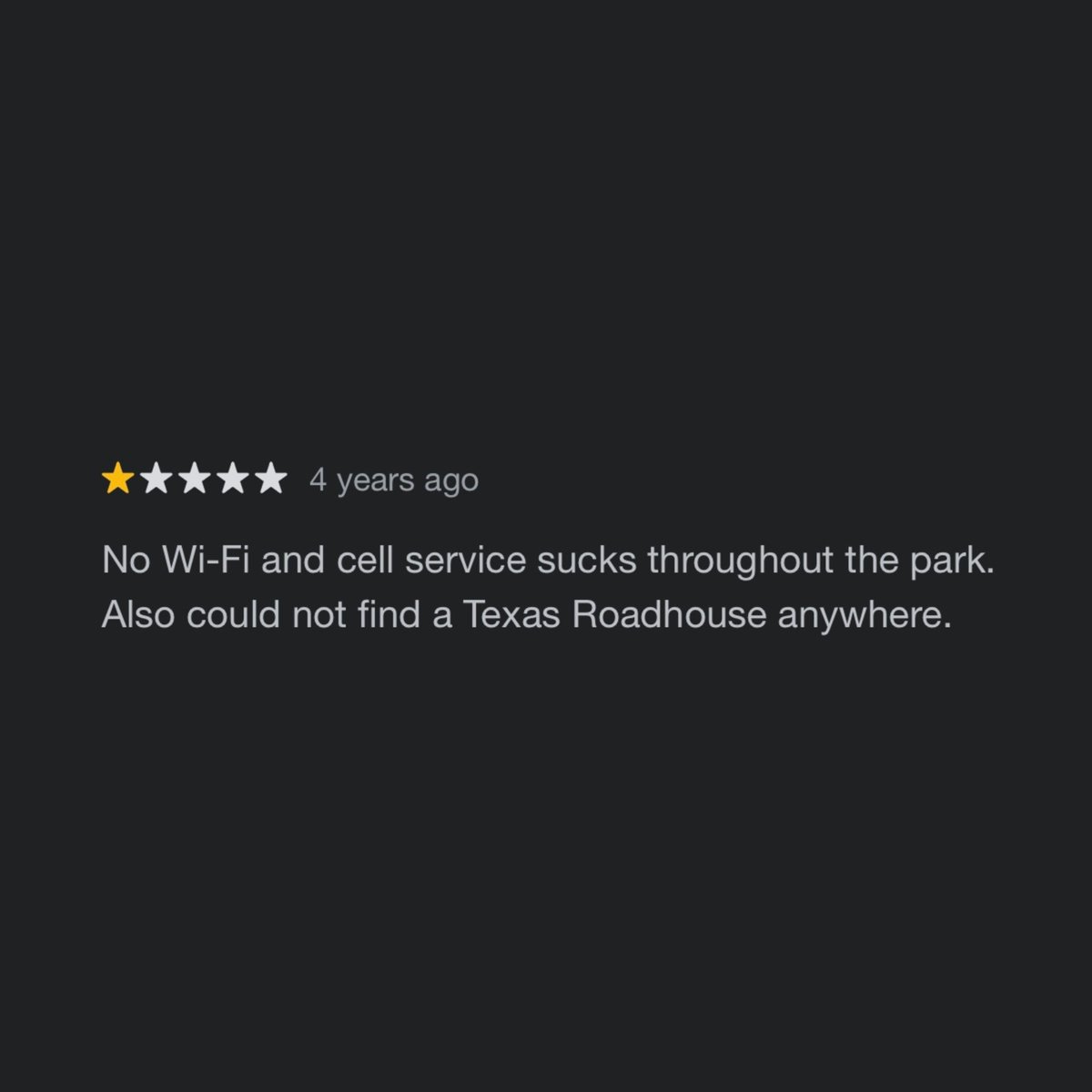
Don’t build a Yellowstone itinerary that depends on having reliable mobile data throughout the park.
Download your maps and important trip information before entering Yellowstone. Save your lodging details, reservation information, daily routes, and anything else you may need when service isn’t available.
A paper park map also makes a useful backup, particularly when plans change and you need to understand how different roads connect.
Offline preparation takes only a few minutes and can prevent a surprisingly frustrating day.
8. Not Packing for Changing Weather

ellowstone weather can change quickly, even in summer.
Cold mornings can become warm afternoons, followed by wind or a sudden rainstorm. Conditions also vary depending on elevation and where you are in the park.
Layers are more useful than trying to pack for one expected temperature. Bring comfortable walking shoes, a lightweight rain layer, water, snacks, and clothing you can add or remove throughout the day.
My Yellowstone Packing List explains what I recommend bringing, and my Yellowstone Amazon packing list includes practical road-trip, layering, hiking, and wildlife-viewing gear.
9. Ignoring Wildlife Safety

YYellowstone wildlife may appear calm, but these are wild animals—not animals accustomed to being approached for photographs.
The National Park Service requires visitors to remain at least 100 yards from bears and wolves and 25 yards from all other wildlife. If an animal moves closer, you are responsible for moving away and maintaining a safe distance.
Never approach wildlife for a better photograph, and don’t allow a traffic jam or a group of other visitors to convince you that getting closer is safe.
No photograph is worth putting yourself, another visitor, or an animal at risk.
10. Not Leaving Flex Time
YYellowstone rarely follows an itinerary perfectly.
A bison jam can delay you. Parking may take longer than expected. Weather can change your plans. Road work may slow traffic. Or you may find wildlife somewhere you never expected and decide it’s worth staying.
That’s why I don’t recommend filling every hour of a Yellowstone itinerary.
Give important attractions enough time, leave some afternoons flexible, and resist immediately filling every open space on your schedule.
Some of the best Yellowstone moments are the ones you couldn’t have planned in advance.
How to Avoid These Yellowstone Mistakes
You don’t need a perfect Yellowstone itinerary.
If you build geographically realistic days, choose lodging that supports your route, start your highest-priority days early, prepare for changing weather, and leave some flexibility, you’ve already eliminated most of the problems first-time visitors encounter.
Before you leave, use my 12-question Yellowstone Trip Planning Checklist to check your lodging, daily routes, drive times, seasonal access, packing, and safety preparation.
If you’d rather organize the entire trip in one place, my Yellowstone Travel Planning System includes both Printable PDF and Fillable PDF versions for planning your lodging, daily routes, reservations, budget, packing, and itinerary.
Frequently Asked Questions
What is the biggest mistake people make in Yellowstone?
Underestimating Yellowstone’s size is one of the biggest first-time mistakes because it affects almost every other part of the trip. Unrealistic driving expectations lead to overloaded itineraries, late arrivals, missed stops, and unnecessary stress.
Is one day enough for Yellowstone?
One day is enough for a limited introduction, but it isn’t enough to experience the entire park. If you only have one day, choose one geographic area and prioritize a few major attractions rather than trying to cross Yellowstone repeatedly.
What time should I start exploring Yellowstone?
Earlier is generally better for popular attractions and wildlife viewing, particularly during peak summer. You don’t need to begin every day at sunrise, but giving your highest-priority area the first part of the day can make parking and crowds easier to manage.
What should first-time visitors know before going to Yellowstone?
Yellowstone is much larger than it appears on a map. Plan fewer attractions per day, group stops geographically, download offline maps, prepare for changing weather, and leave room for wildlife and traffic delays.
How many days should a first-time visitor spend in Yellowstone?
Three to four days works well for many first-time trips because it allows you to divide the park into manageable geographic areas rather than rushing between distant attractions.
Bottom Line
Most Yellowstone mistakes aren’t caused by choosing the wrong attraction. They’re caused by trying to do too much with too little time.
Yellowstone becomes much easier when you understand its scale, build your days geographically, choose lodging that supports your route, start important days early, and leave enough flexibility for weather, traffic, and wildlife.
You don’t need to see everything to have an incredible Yellowstone trip.
Plan fewer things well, and leave enough room for Yellowstone to surprise you.