7 Yellowstone Driving Times You Need to Know

This post may contain affiliate links. If you book or purchase through them, I may earn a small commission at no additional cost to you. I only recommend products and services that I believe are useful for planning your trip.
Table of Contents
Yellowstone driving times are one of the easiest things to underestimate when planning your trip.
Two attractions may look close together on a map, but driving in Yellowstone isn’t the same as driving the same distance on a normal highway. Wildlife on or near the road, traffic, construction, parking congestion, and spontaneous sightseeing stops can all change how long it takes to get from one area to another.
That’s why a realistic Yellowstone itinerary should be built around time and geography—not just mileage.
This guide covers seven useful Yellowstone driving routes, explains what can slow you down, and shows you how to group areas of the park so you spend less of your vacation driving back and forth.
Important: The driving times below are planning estimates, not guarantees. Always check current Yellowstone road conditions before starting your day.
Quick Answer
Yellowstone driving times are often longer than the mileage suggests.
The park’s roads are generally designed for sightseeing rather than fast travel, and your drive can be affected by wildlife, traffic, construction, parking congestion, weather, and scenic stops.
A route that appears manageable on a map can take considerably longer once you’re actually inside the park.
Instead of building an itinerary around the shortest possible drive time, give yourself extra flexibility and group attractions that are in the same part of Yellowstone.
WTT Tip: Treat any Yellowstone drive time as a starting estimate. Check current road conditions each morning and leave room in your schedule for the delays—and unexpected stops—that are part of traveling through Yellowstone.
Yellowstone Map Overview

Yellowstone’s main road system is built around the Grand Loop Road, which forms a rough figure eight through the park.
It connects many of Yellowstone’s major areas, including:
- Old Faithful and the Upper Geyser Basin
- Grand Prismatic Spring and Midway Geyser Basin
- Yellowstone Lake
- Canyon Village and the Grand Canyon of the Yellowstone
- Hayden Valley
- Mammoth Hot Springs
Lamar Valley sits northeast of the main Grand Loop and requires additional driving from most of the park’s other major sightseeing areas.
On a map, the road system can make Yellowstone look relatively compact. In reality, attractions are spread across a huge park, roads are often two-lane, and driving from one region to another can take a significant portion of your day.
That’s why the most efficient Yellowstone itineraries usually group nearby attractions together instead of repeatedly crossing the park.
For a more detailed look at how the park’s regions fit together, see my Yellowstone Map Explained.
WTT Tip: Before deciding what to see each day, locate your lodging on the Yellowstone map. Your starting point can dramatically change which attractions make sense to combine.
1. Old Faithful → Grand Prismatic Spring

Old Faithful and Grand Prismatic Spring are close enough that they should usually be planned as part of the same Yellowstone sightseeing day.
Approximate distance: About 7–8 miles from Old Faithful to the Grand Prismatic Spring area.
Planning drive time: Roughly 15–25 minutes under normal conditions, before parking delays or sightseeing stops.
The drive itself isn’t usually the difficult part. Parking at Midway Geyser Basin can be.
Grand Prismatic Spring is one of Yellowstone’s most popular stops, and the parking area can become congested during busy periods. That means a short drive from Old Faithful can still turn into a much longer transition between attractions.
If you also want the elevated view of Grand Prismatic from the overlook, remember that the overlook is accessed from the Fairy Falls Trailhead, not from the main Midway Geyser Basin boardwalk.
Best Strategy
Keep Old Faithful, Grand Prismatic Spring, and other stops along the geyser-basin corridor together rather than leaving this part of Yellowstone and returning later.
WTT Tip: Don’t judge this part of your itinerary by driving time alone. Build additional time for parking, walking, and actually exploring the thermal areas.
2. Old Faithful → Yellowstone Lake

Old Faithful and Yellowstone Lake can fit naturally into the same sightseeing day, especially if you’re traveling through West Thumb Geyser Basin.
Approximate distance to West Thumb: About 22 miles from Old Faithful.
Planning drive time: Roughly 30 minutes under normal conditions, before traffic, wildlife delays, or stops along the way.
If you’re continuing farther along Yellowstone Lake toward Grant Village, Bridge Bay, Fishing Bridge, or Lake Village, you’ll need additional driving time.
That’s an important distinction when planning your itinerary. “Yellowstone Lake” covers a large area, so a map estimate to one point on the lake may not accurately represent the drive to your actual destination.
Good Pairing
Old Faithful, West Thumb Geyser Basin, and Yellowstone Lake can work well together because they follow a logical route through the southern portion of the park.
WTT Tip: When checking Yellowstone driving times, use the specific developed area or attraction you’re visiting—not simply “Yellowstone Lake.” It will give you a much more useful estimate.
3. Old Faithful → Canyon Village

Old Faithful and Canyon Village are in different parts of Yellowstone, and this is one of the drives that can make the park feel much larger than it looks on a map.
Approximate distance: About 40 miles, depending on the route and exact starting point.
Planning drive time: Allow roughly 1 to 1½ hours of actual driving under normal conditions, before adding time for traffic, wildlife, construction, or sightseeing stops.
The typical route takes you north through the western side of the Grand Loop, passing the Madison and Norris areas before reaching Canyon Village.
The bigger planning issue isn’t simply the mileage. There are several places along this route where you may be tempted to stop, and adding Norris Geyser Basin or other sightseeing can turn a transfer between Old Faithful and Canyon into a substantial part of your day.
If Old Faithful and the Grand Canyon of the Yellowstone are both priorities, it’s usually better to treat them as different sightseeing regions rather than bouncing back and forth between them.
For a realistic way to divide the park, see my Yellowstone Itinerary (3–5 Days).
WTT Tip: Don’t confuse drive time with itinerary time. A one-hour drive can easily become several hours when you add a major Yellowstone stop along the route.
4. Canyon Village → Lamar Valley
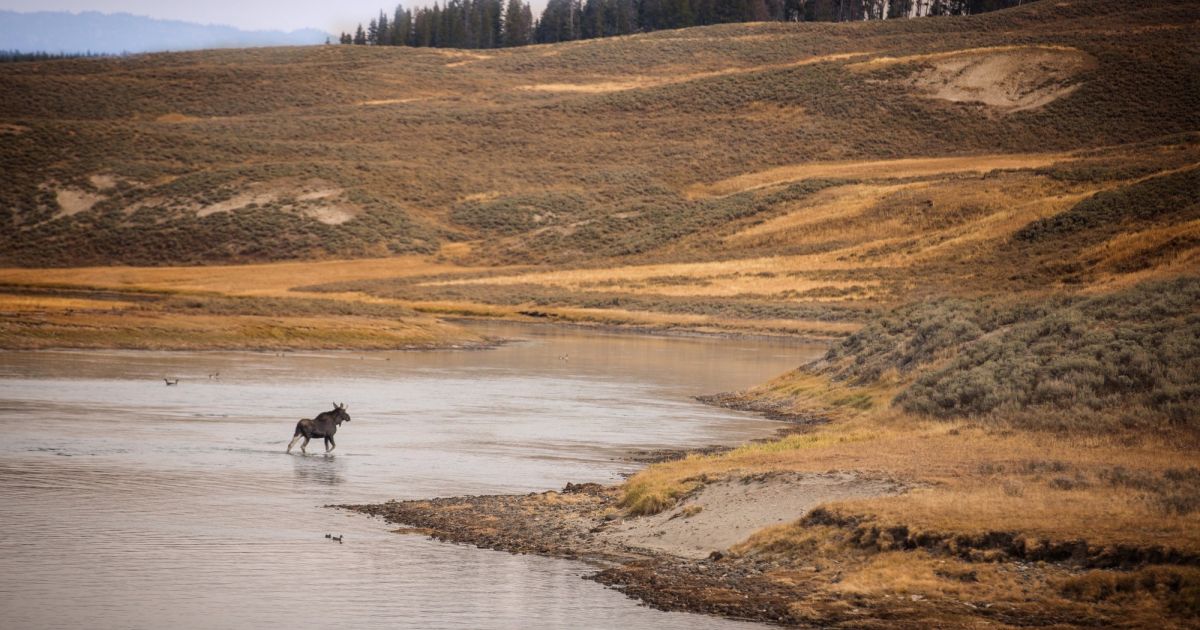
Canyon Village and Lamar Valley can work together geographically, but this drive takes you into one of Yellowstone’s most wildlife-focused areas.
Approximate distance: About 40 miles from Canyon Village to the Lamar Valley area, depending on how far into the valley you travel.
Planning drive time: Allow roughly 1 to 1½ hours under normal conditions, but give yourself considerably more time if wildlife viewing is part of the plan.
From Canyon, you’ll travel north toward Tower Junction and then east into Lamar Valley. Once you reach the valley, the experience becomes less about reaching a single destination and more about stopping at pullouts and scanning for wildlife.
Wildlife can also affect traffic. Bison may be on or near the roadway, and wildlife sightings can create congestion around popular pullouts.
If wildlife viewing is a priority, early morning and evening can be productive times, but sightings are never guaranteed. Don’t rush through the valley simply because you’re trying to stay on a strict schedule.
Most importantly, pull completely off the roadway before stopping and use designated pullouts whenever possible.
WTT Tip: Treat Lamar Valley as a destination, not just another stop. The driving time gets you there—the time you spend watching and waiting for wildlife is what should shape the rest of your day.
5. Mammoth Hot Springs → Old Faithful

Mammoth Hot Springs and Old Faithful sit in very different parts of Yellowstone, so this is one of the longer drives visitors commonly make.
Approximate distance: About 50 miles.
Planning drive time: Allow roughly 1½ hours of actual driving under normal conditions, before adding traffic, construction, wildlife delays, or sightseeing stops.
The usual route follows the western side of the Grand Loop through the Norris and Madison areas before continuing south toward Old Faithful.
What makes this drive especially easy to underestimate is everything you can stop to see along the way. Norris Geyser Basin, Gibbon Falls, and other roadside stops can turn what looks like a simple transfer into a substantial sightseeing day.
If Mammoth and Old Faithful are both on your itinerary, don’t automatically rush from one directly to the other. Decide whether the attractions between them belong in the same day’s route or would fit better elsewhere in your trip.
WTT Tip: If you’re staying near Mammoth but spending several days exploring the geyser basins, pay close attention to repeated driving. Your lodging location can have a major effect on how much time you spend in the car.
6. West Yellowstone Entrance → Old Faithful
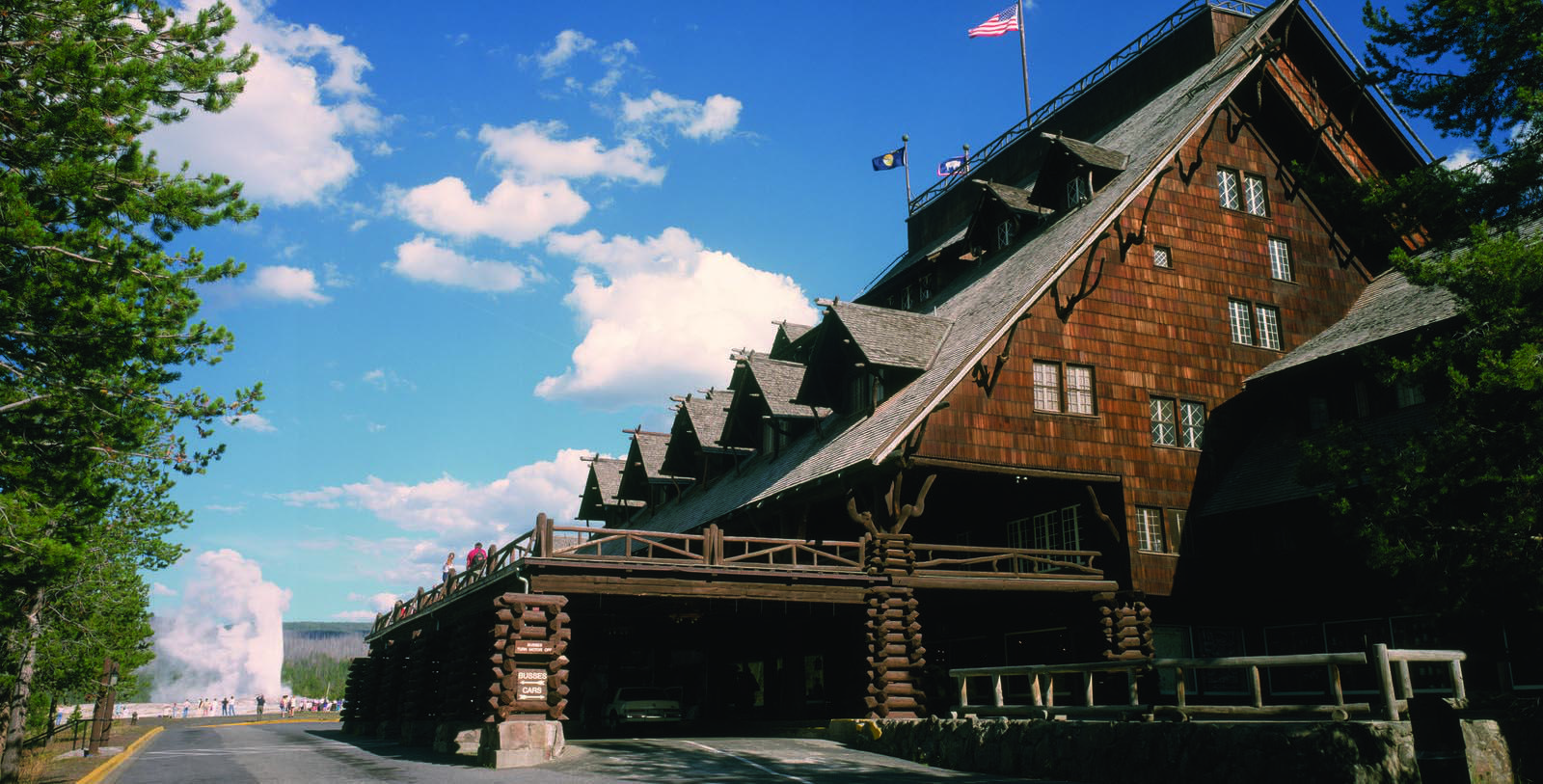
If you’re staying in West Yellowstone, the drive to Old Faithful will likely be one of the first routes you make into the park.
Approximate distance: About 30 miles from the West Entrance to the Old Faithful area.
Planning drive time: Allow roughly 45 minutes to 1 hour under normal conditions, before entrance congestion, wildlife delays, traffic, or stops along the way.
After entering Yellowstone, you’ll travel east toward Madison Junction and then south through the geyser-basin corridor toward Old Faithful.
The route can become busy during high-visitation periods, and wildlife anywhere along the roadway can change your drive time unexpectedly.
If Old Faithful is one of your highest priorities, an earlier start can help you get ahead of some of the day’s traffic and give you more time to explore the Upper Geyser Basin. But don’t treat a particular arrival time as a guarantee of light traffic or easy parking.
Also remember that your hotel-to-Old-Faithful travel time includes the drive from your lodging to the West Entrance, not just the distance from the park entrance itself.
WTT Tip: When comparing lodging in West Yellowstone with lodging inside the park, calculate the drive from the actual hotel—not from the Yellowstone entrance sign. Repeating that additional mileage for several days can make a meaningful difference.
7. Canyon Village → Mammoth Hot Springs
Canyon Village and Mammoth Hot Springs are relatively close compared with some of Yellowstone’s longer cross-park drives, but you still shouldn’t plan this route as if you’re traveling on a normal highway.
Approximate distance: About 40 miles, depending on the exact route and destination.
Planning drive time: Allow roughly 1½ hours under normal conditions, before wildlife, traffic, construction, or sightseeing stops.
The route travels north from Canyon toward Tower Junction and then west toward Mammoth Hot Springs.
This part of Yellowstone can be especially tempting to expand into a longer sightseeing route. Depending on your itinerary, you may want to stop around Tower-Roosevelt or continue toward the Lamar Valley before heading to Mammoth.
If Mammoth is your actual destination, however, don’t automatically add Lamar Valley simply because you’re already on the northern side of the park. Lamar requires additional driving east from Tower Junction and is best treated as a meaningful wildlife-viewing destination rather than a quick detour.
WTT Tip: Canyon and Mammoth can fit into the same day’s route, but decide in advance whether you’re making a direct transfer or building a larger northern Yellowstone sightseeing day. Those are two very different time commitments.
What Affects Yellowstone Driving Times

Even after you know the approximate distance between two Yellowstone destinations, several factors can change how long the drive actually takes.
Wildlife on or Near the Road
Wildlife is one of the most unpredictable parts of driving in Yellowstone.
Bison may walk directly on the roadway, and traffic can slow or stop when animals are nearby. Bear, wolf, elk, or other wildlife sightings can also create congestion when visitors slow down or pull over.
Hayden Valley and Lamar Valley are especially well known for wildlife activity, but delays can happen almost anywhere in the park.
Never stop in the travel lane to photograph wildlife. Use designated pullouts and make sure your vehicle is completely off the roadway before stopping.
WTT Tip: Don’t think of a wildlife delay as automatically wasted time. Seeing Yellowstone’s wildlife is often one of the highlights of the trip—just leave enough flexibility in your itinerary to enjoy it safely.
Road Construction and Closures
Yellowstone’s roads have a relatively short construction and maintenance season, so road work can affect travel during the same months many visitors are exploring the park.
Projects vary from year to year. A route that worked perfectly on a previous trip may have delays, restrictions, or closures during your visit.
Check the current Yellowstone road status before your trip and again during your stay rather than relying entirely on an itinerary created months earlier.
Parking Congestion
Sometimes the drive isn’t what puts your itinerary behind—the parking lot is.
Popular areas such as Grand Prismatic Spring, Norris Geyser Basin, Old Faithful, and the Grand Canyon of the Yellowstone can become congested during busy periods.
Build time for parking into your sightseeing plan, particularly at high-demand attractions.
If a small parking area is completely overwhelmed, don’t spend a long time circling or block traffic while waiting for a space. When your route allows it, continue to another nearby stop and consider returning later.
Weather and Seasonal Conditions
Weather can also change Yellowstone driving conditions quickly, particularly during spring and fall.
Snow, ice, heavy rain, reduced visibility, or temporary road restrictions can make a drive take longer than expected.
This is another reason Yellowstone driving times should always be treated as planning estimates rather than promises.
Sightseeing Stops
This may be the most overlooked source of extra time.
Yellowstone roads pass waterfalls, thermal areas, overlooks, wildlife habitat, and scenic pullouts. Even if traffic is moving perfectly, you may find yourself stopping far more often than expected.
That’s not bad planning. It’s part of visiting Yellowstone.
WTT Tip: Leave open space in your schedule for the places you didn’t know you wanted to stop until you saw them.
How to Plan Your Yellowstone Days
One of the biggest Yellowstone planning mistakes is building each day around a list of individual attractions instead of looking at where those attractions are located.
Yellowstone is much easier to explore when you divide the park into geographic areas and spend most of each sightseeing day in one part of the park.
Natural groupings might include:
- Old Faithful + Upper Geyser Basin + Grand Prismatic Spring
- Grand Canyon of the Yellowstone + Hayden Valley
- Mammoth Hot Springs + northern Yellowstone
- Lamar Valley + Tower-Roosevelt area
- West Thumb + Yellowstone Lake
These aren’t mandatory one-day itineraries. They’re geographic groupings you can use to build a route that makes sense from your lodging location.
For example, someone staying in West Yellowstone may organize the park differently from someone staying near Mammoth or Canyon Village.
Before finalizing each day, ask:
Where am I starting? Where do I want to end? Which major attractions are naturally along that route?
Then check current road conditions and adjust as needed.
For more help putting the park together, use my Yellowstone Map Explained and Yellowstone Itinerary (3–5 Days).
WTT Tip: A good Yellowstone itinerary doesn’t eliminate driving—you can’t do that in a park this large. The goal is to eliminate unnecessary backtracking.
Want help organizing your routes, lodging, and sightseeing days? My Yellowstone Travel Planning System is designed to help you build a realistic trip without unnecessary backtracking.
Where to Stay to Reduce Driving
Where you stay can have a major effect on your Yellowstone driving time.
There isn’t one lodging location that’s best for every trip. The right base depends on which areas of Yellowstone you plan to explore and how many days you have.
Staying Inside Yellowstone
Staying inside the park can reduce driving when your lodging location matches your itinerary.
For example:
- Old Faithful area works well for the geyser basins and southwest portion of the park.
- Canyon Village provides a central location for Canyon, Hayden Valley, and several routes through the park.
- Lake area can work well for Yellowstone Lake, Hayden Valley, and the southern portion of the park.
- Mammoth Hot Springs makes more sense when northern Yellowstone and Lamar Valley are major priorities.
But staying inside Yellowstone doesn’t automatically mean less driving. If you stay near Old Faithful and repeatedly travel to Lamar Valley, for example, you’ll still spend a significant amount of time in the car.
Staying Outside Yellowstone
Gateway towns can work very well, particularly when they’re close to the areas you plan to visit.
West Yellowstone is convenient for the West Entrance and works particularly well for trips focused on Old Faithful, Grand Prismatic Spring, and the western side of the Grand Loop.
Gardiner provides convenient access to Mammoth Hot Springs and northern Yellowstone and can be a strong base for travelers prioritizing Lamar Valley.
Cody offers plenty of lodging and services, but it’s considerably farther from Yellowstone’s interior. It works better when the East Entrance fits naturally into your road-trip route than as a base for repeatedly crossing the park.
For a full lodging comparison, see Where to Stay in Yellowstone.
WTT Tip: Don’t choose lodging based only on the distance to a park entrance. Look at the distance between your lodging and the Yellowstone areas you actually plan to visit.
What Actually Helps With Long Driving Days
Even with an efficient itinerary, you’ll spend a fair amount of time in the vehicle during a Yellowstone trip.
A few practical items can make those driving days easier:
- Water and snacks
- A small cooler for drinks and picnic food
- Phone charger or portable battery
- Offline maps and a paper park map
- Binoculars for wildlife viewing
- Layers and rain protection that are easy to reach
Keep the things you’ll need during the day accessible in the vehicle rather than buried underneath luggage.
Binoculars are especially useful because Yellowstone wildlife should be viewed from a safe distance. You don’t need expensive equipment for a typical sightseeing trip, but having binoculars available can make wildlife stops much more enjoyable.
Before buying anything new, check what you already own. For the rest, my Yellowstone Packing List covers what to bring for a typical park trip.
I’ve also collected my recommended road-trip and Yellowstone essentials in my Yellowstone Packing List on Amazon.
WTT Tip: Pack the vehicle for the day before you leave your lodging. Driving back for a forgotten jacket, charger, or binoculars can add a surprising amount of unnecessary mileage in Yellowstone.
What Most People Get Wrong
The biggest mistake visitors make with Yellowstone driving times isn’t misunderstanding the mileage. It’s building an itinerary with no room for Yellowstone to be unpredictable.
A schedule may look perfectly reasonable when every drive is based on ideal conditions. Then a wildlife jam, full parking lot, construction delay, or unexpected scenic stop puts the entire day behind.
Another common mistake is choosing lodging without considering the itinerary. Staying close to a Yellowstone entrance doesn’t necessarily mean you’re close to the attractions you plan to visit.
And don’t assume every stop needs to fit into one trip. Yellowstone is large enough that trying to see everything can easily turn a vacation into a series of long drives and rushed sightseeing stops.
Instead, prioritize the places that matter most, group nearby attractions together, and leave some flexibility in each day.
WTT Tip: If your Yellowstone itinerary only works when every drive goes perfectly, the itinerary is too full.
Frequently Asked Questions
How long does it take to drive around Yellowstone?
There isn’t one reliable drive time for Yellowstone because it depends on your route, traffic, wildlife, construction, weather, and how often you stop.
The Grand Loop Road connects many of the park’s major areas, but trying to drive the entire loop simply to say you’ve completed it usually isn’t the best way to experience Yellowstone.
Most visitors are better off dividing the park into regions and exploring one portion at a time.
Is Yellowstone bigger than it looks?
Yes. Yellowstone covers more than 2.2 million acres, and its major attractions are spread across a large road system.
Places that appear relatively close together on a map can require substantial driving, particularly once you include traffic, wildlife, parking, and sightseeing stops.
How much time can wildlife add to a Yellowstone drive?
There’s no reliable amount of time to add for wildlife.
Bison on the roadway can slow or stop traffic, while bear, wolf, elk, or other wildlife sightings may create congestion near pullouts. Sometimes the delay is brief; other times it can significantly change your schedule.
Build flexibility into your day rather than trying to predict exactly how long a wildlife delay will last.
Should I trust Google Maps for Yellowstone driving times?
Use Google Maps or another navigation app as a starting point, not as a guarantee of when you’ll arrive.
Navigation estimates can’t reliably predict wildlife on the roadway, how long you’ll wait for parking, spontaneous sightseeing stops, or every temporary condition you’ll encounter during the day.
Check current park road conditions as well, and leave extra flexibility between major stops.
What is the best time of day to drive in Yellowstone?
There isn’t one best time for every route.
Earlier starts can help with some high-demand areas during busy travel periods, while early morning and evening can also be productive for wildlife viewing. But wildlife activity can create its own traffic delays.
Choose your start time based on what you want to see that day, not simply on avoiding traffic.
How can I reduce driving time in Yellowstone?
The most effective strategy is to group nearby attractions together and choose lodging that works with your itinerary.
Avoid repeatedly crossing the park to visit attractions that could have been combined geographically. Before each day, check where you’re starting, where you want to end, and which major stops fit naturally between those two points.
Bottom Line
Yellowstone driving times are about much more than mileage.
Wildlife, traffic, parking, construction, weather, and sightseeing stops can all change how long it takes to move between areas of the park. That’s why the best Yellowstone itineraries aren’t built around squeezing in the maximum number of attractions each day.
Group nearby areas together, choose lodging that works with your route, check current road conditions, and leave flexibility in your schedule.
Most importantly, don’t treat every unexpected stop as a problem. A bison crossing the road, an unplanned waterfall stop, or a wildlife sighting may put you behind schedule—but those moments are often part of what makes a Yellowstone trip memorable.
WTT Tip: If you have to rush through Yellowstone to keep your itinerary on schedule, you probably planned too much.
Plan Your Yellowstone Trip
Use these guides to turn the driving times into a realistic itinerary:
- Yellowstone Travel Guide
- Yellowstone Map Explained
- Yellowstone Itinerary (3–5 Days)
- Yellowstone Mistakes First-Timers Make
- Yellowstone Packing List