11 Yellowstone Hidden Gems (Less-Crowded Spots Worth Visiting)

This post may contain affiliate links. If you book or purchase through them, I may earn a small commission at no extra cost to you. I only recommend travel gear, lodging, and planning resources that genuinely help make Yellowstone trips easier.
Table of Contents
Yellowstone doesn’t have many truly “secret” places anymore—and that’s not what this guide is promising.
But there is a big difference between visiting only Old Faithful, Grand Prismatic Spring, Canyon, and Lamar Valley and building a trip that includes some of Yellowstone’s quieter roads, trails, waterfalls, and scenic areas.
Some of the places in this guide are genuinely overlooked. Others are well-known Yellowstone locations that feel completely different when you visit at the right time or explore beyond the obvious viewpoint.
The goal isn’t to skip Yellowstone’s famous attractions. They’re famous for a reason.
Instead, use a few of these less-crowded Yellowstone stops to break up the busiest parts of your itinerary, experience different landscapes, and slow the trip down.
Here are 11 Yellowstone hidden gems and quieter alternatives that are actually worth fitting into your route.
If you’re looking for unique things to do in Yellowstone beyond the usual stops, these quieter hikes, scenic drives, and wildlife-viewing opportunities are a great place to start.
Quick Answer
If you’re looking for less-crowded places in Yellowstone, start with Firehole Lake Drive, Blacktail Plateau Drive, Storm Point Trail, Trout Lake, Undine Falls, and Lone Star Geyser.
But don’t make the mistake of chasing “hidden gems” while skipping Yellowstone’s famous attractions.
A better strategy is to combine one or two quieter stops with the major area you’re already exploring that day. Visit Old Faithful and the geyser basins, then add a quieter geothermal stop or hike nearby. Explore northern Yellowstone, then fit in Blacktail Plateau Drive or Undine Falls.
Planning takeaway: Don’t drive across Yellowstone looking for hidden gems. Add them geographically to the route you’re already driving.
| Place | Best For | Area | Time Commitment |
|---|---|---|---|
| Firehole Lake Drive | Geothermal scenery | Lower Loop | Short detour |
| Artists Paintpots | Geothermal features | West/Central | Short stop |
| Blacktail Plateau Drive | Scenic driving + wildlife | North | Longer detour |
| Tower Fall | Waterfall scenery | North | Quick stop |
| Pelican Valley | Remote Yellowstone | East | Longer outing |
| Storm Point Trail | Yellowstone Lake + hiking | Lake Area | Short hike |
| Undine Falls | Easy waterfall stop | North | Quick stop |
| Grand Prismatic Overlook + Fairy Falls | Views + hiking | Lower Loop | Moderate outing |
| Hayden Valley at Sunrise | Wildlife | East/Central | Early-morning outing |
| Trout Lake | Quiet hiking | Northeast | Short hike |
| Lone Star Geyser | Hiking + geothermal features | Southwest | Longer outing |
Before You Add These Yellowstone Hidden Gems to Your Itinerary
Yellowstone’s quieter roads, trails, and side trips aren’t always accessible year-round. Seasonal road openings, wildlife-management closures, weather, construction, and temporary trail conditions can all affect access.
Check current National Park Service road and trail conditions shortly before your trip rather than assuming every place in this guide will be accessible.
Also remember that “less crowded” doesn’t mean empty. Yellowstone visitation is high during peak summer, and even quieter places can become busy at certain times of day.
The goal isn’t to find an empty Yellowstone. It’s to add a few worthwhile places that give you a different experience from the park’s busiest attractions.
1. Firehole Lake Drive — Quieter Geothermal Scenery

Firehole Lake Drive is a useful addition when you’re already exploring Yellowstone’s western geothermal areas but want to see more than the busiest boardwalks.
This one-way side road passes several geothermal features, including Great Fountain Geyser, White Dome Geyser, and Firehole Lake. It gives you another look at Yellowstone’s geothermal landscape without requiring a major hike or a completely separate sightseeing day.
I wouldn’t choose Firehole Lake Drive instead of Old Faithful or Grand Prismatic Spring on a first Yellowstone trip. Think of it as an addition to a Lower Loop day when you have enough time and the road is open.
Because Firehole Lake Drive can be affected by seasonal conditions or temporary closures, check current Yellowstone road conditions before building it into your itinerary.
Best for: travelers exploring the Lower Loop who want additional geothermal scenery without adding a long hike.
Worth it if: you’re already spending the day around Old Faithful, Grand Prismatic Spring, or the western geyser basins and have time for a scenic detour.
2. Artists Paintpots — A Short Geothermal Walk

Artists Paintpots is a good choice when you want another geothermal experience without the scale and time commitment of Yellowstone’s major geyser basins.
The relatively short trail passes colorful hot springs, steaming vents, and bubbling mud pots. The mud pots are the real reason I’d add this stop—they provide a noticeably different experience from the large geysers and pools around Old Faithful.
Artists Paintpots isn’t completely undiscovered, and it can still get busy during peak summer. But many visitors drive past it while moving between Norris and Madison, making it easy to fit into a geographically sensible Yellowstone day.
Best for: first-time visitors who want more geothermal variety, families comfortable with a short walk, and travelers already driving the west side of the park.
Worth it if: you want a relatively short stop rather than another major geyser-basin outing.
3. Blacktail Plateau Drive — A Slower Northern Yellowstone Detour

Blacktail Plateau Drive is one of the better Yellowstone detours for travelers who want to slow down and explore beyond the main Grand Loop Road.
The one-way, unpaved road travels through forests and open meadows in northern Yellowstone. The scenery is the main reason to take it, although the surrounding habitat can also provide wildlife-viewing opportunities. As anywhere in Yellowstone, wildlife sightings are never guaranteed.
What makes Blacktail Plateau Drive worthwhile is the pace. Instead of rushing between major attractions, this route gives you a chance to experience a quieter part of northern Yellowstone.
Don’t add it simply because you’ve heard it’s a secret wildlife road. Take it when the road is open, conditions are appropriate, and the detour fits naturally into your northern Yellowstone itinerary.
Best for: scenic driving, slower itineraries, wildlife watchers, and travelers already exploring northern Yellowstone.
Worth it if: you have extra time between the Mammoth and Tower areas and would enjoy the drive itself even if you don’t see significant wildlife.
Planning note: Blacktail Plateau Drive is seasonal and road conditions can affect access. Check current Yellowstone road conditions before your visit.
4. Tower Fall — An Easy Stop People Rush Past

Tower Fall isn’t a Yellowstone secret. It’s a well-known northern Yellowstone stop, but it often gets treated as a quick check-the-box attraction by travelers moving between Canyon, Tower-Roosevelt, and Lamar Valley.
The waterfall drops 132 feet through a dramatic section of Tower Creek, framed by distinctive rock pinnacles above the falls.
The main overlook is relatively easy to incorporate into a northern Yellowstone day, which is exactly why I like it here. You don’t need to create a separate itinerary around Tower Fall—add it when your existing route already takes you through the area.
This is also a good example of what a Yellowstone “hidden gem” should mean in this guide. Sometimes the better experience isn’t finding an unknown place. It’s slowing down enough to appreciate a worthwhile stop that other travelers rush through.
Best for: northern Yellowstone itineraries, waterfall scenery, photography, and travelers looking for a worthwhile stop without adding a major hike.
Worth it if: you’re already traveling between Canyon, Tower-Roosevelt, or Lamar Valley.
If you’re trying to figure out how Tower fits with the rest of the park, my Yellowstone Map Explained guide shows how the Upper Loop, Lower Loop, and Lamar Valley connect.
5. Pelican Valley — Remote Yellowstone for Experienced Visitors

Pelican Valley offers a very different Yellowstone experience from the park’s busy geyser basins and roadside viewpoints. The broad valley, open landscape, and wildlife habitat make this one of the more remote-feeling areas in the park.
But this isn’t a casual hidden stop I’d recommend to every visitor.
Pelican Valley is serious bear country, and the trail is subject to seasonal Bear Management Area restrictions. If you’re considering hiking here, check current National Park Service restrictions and trail conditions before your trip and be prepared for hiking in active grizzly habitat.
The appeal of Pelican Valley isn’t checking off another famous Yellowstone attraction. It’s experiencing a quieter, wilder part of the park—and that comes with more responsibility than visiting a roadside overlook.
Best for: experienced hikers, wildlife-aware travelers, and visitors specifically looking for a more remote Yellowstone experience.
Skip it if: you’re looking for a quick stop, aren’t comfortable hiking in bear country, or have limited time on your first Yellowstone trip.
2026 planning note: Pelican Valley is within a Yellowstone Bear Management Area. Current restrictions include day-use limitations during part of the season, so verify the latest NPS requirements before hiking.
6. Storm Point Trail — An Easy Yellowstone Lake Hike

Storm Point Trail is a good choice when you want to get out of the car and experience Yellowstone Lake without committing to one of the park’s longer hikes.
The trail begins near Indian Pond and crosses open meadow before reaching the rocky shoreline of Yellowstone Lake. The scenery feels completely different from Yellowstone’s geyser basins, and the relatively short distance makes it easier to fit into a Lake-area sightseeing day.
This is still a Yellowstone backcountry trail, not a developed lakeside stroll. Wildlife activity, weather, and temporary trail closures can affect conditions, so check current information before hiking.
Storm Point works particularly well if you’re already exploring Yellowstone Lake, Fishing Bridge, or Hayden Valley. There’s little reason to drive across the park solely for this hike, but it can be an excellent addition when you’re already on the eastern side of the Lower Loop.
Best for: lake scenery, shorter hikes, families comfortable on trails, and travelers wanting time outside the car.
Worth it if: you’re already spending part of the day around Yellowstone Lake or Hayden Valley.
If you’re deciding how much hiking to fit around Yellowstone’s major sightseeing days, see my Yellowstone Itinerary for a route-first approach to planning the park.
7. Undine Falls — An Easy Northern Yellowstone Waterfall Stop

Undine Falls is one of Yellowstone’s easiest worthwhile stops to miss.
Located along the road between Mammoth Hot Springs and Tower-Roosevelt, the waterfall drops in several tiers through a narrow canyon. You can see it from a roadside overlook, so it doesn’t require a hike or a major time commitment.
That’s what makes Undine Falls particularly useful in a Yellowstone itinerary. It isn’t somewhere I’d drive across the park specifically to see, but it’s an easy addition when you’re already exploring Mammoth, Tower, or northern Yellowstone.
It also provides a nice change of scenery on a day that may otherwise be focused on wildlife, terraces, and scenic driving.
Best for: waterfalls, photography, short stops, and northern Yellowstone itineraries.
Worth it if: you’re already driving between Mammoth Hot Springs and Tower-Roosevelt.
8. Grand Prismatic Overlook + Fairy Falls — Go Beyond the Boardwalk

Grand Prismatic Spring is one of Yellowstone’s busiest attractions, so calling anything associated with it a “hidden gem” would be a stretch.
But there is a worthwhile alternative to seeing the spring only from the crowded Midway Geyser Basin boardwalk.
The Grand Prismatic Overlook trail gives you the elevated view that makes the spring’s enormous size and vivid colors much easier to appreciate. If you want a longer outing, you can continue toward Fairy Falls rather than turning around after the overlook.
This isn’t necessarily the place to escape Yellowstone’s crowds entirely. The overlook has become popular in its own right. The advantage is that you’re experiencing this part of Yellowstone differently and adding some actual trail time to a geothermal-focused day.
If Grand Prismatic Spring is one of your highest-priority Yellowstone sights, I like combining the boardwalk experience with the overlook rather than treating them as interchangeable. The boardwalk gets you close to the geothermal features; the overlook gives you the perspective that’s difficult to appreciate from ground level.
Best for: Grand Prismatic views, hiking, photography, and travelers who want more than the standard boardwalk stop.
Worth it if: Grand Prismatic is a major priority and you have enough time to add a hike to your Lower Loop day.
Skip Fairy Falls if: your schedule is already packed. The overlook alone can provide the main payoff without turning this into a longer hiking outing.
Planning your day around Old Faithful, Grand Prismatic, and the surrounding geyser basins? My Yellowstone Map Explained guide shows how these Lower Loop areas fit together so you can avoid unnecessary backtracking.
9. Hayden Valley at Sunrise — See a Famous Place Differently
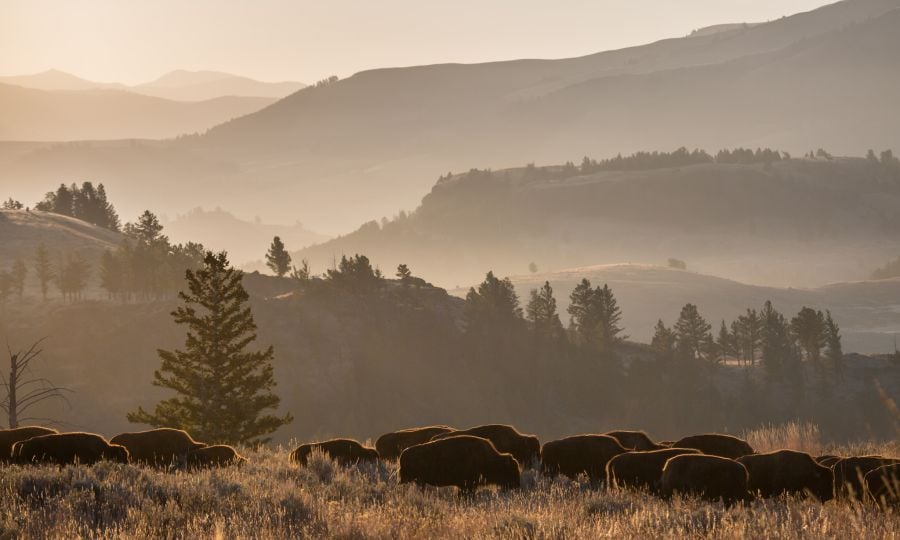
Hayden Valley is one of Yellowstone’s best-known wildlife-viewing areas, so it isn’t remotely a secret.
But visiting at sunrise can feel completely different from driving through the valley during the busiest part of the day.
An early start generally means cooler temperatures, fewer vehicles than you’ll encounter later in the morning, and a better opportunity to slow down at established pullouts instead of treating Hayden Valley as another scenic drive you need to finish.
The valley is excellent habitat for bison, elk, and other wildlife, with occasional opportunities to see bears, wolves, and other animals. Sightings are never guaranteed, and many animals may be far from the road.
The important part is not chasing wildlife or stopping unsafely when you see it. Use established pullouts, keep the required distance from animals, and expect wildlife traffic to change your schedule.
Best for: wildlife viewing, photography, early risers, and travelers already exploring Canyon or Yellowstone Lake.
Worth it if: wildlife is one of your Yellowstone priorities and you’re willing to start early.
Wildlife is often much farther away than first-time visitors expect, so binoculars are one of the few pieces of gear I consider genuinely useful in Yellowstone. My Yellowstone Amazon packing list includes the wildlife-viewing gear I recommend.
10. Trout Lake — A Quiet Northeast Yellowstone Hike

Trout Lake is a worthwhile option when you want a relatively short hike and a quieter experience in northeastern Yellowstone.
The trail climbs from the road before reaching a small mountain lake surrounded by forest and open scenery. It feels much more removed from Yellowstone’s major roadside attractions despite not requiring an all-day hike.
This works particularly well when you’re already exploring Lamar Valley or driving toward the Northeast Entrance. I wouldn’t cross Yellowstone specifically to hike Trout Lake, but it’s an excellent addition to a northeast Yellowstone day.
Wildlife can be present in this area, so carry appropriate safety gear, stay alert, and check current trail conditions before hiking.
Best for: quieter hiking, lake scenery, northeast Yellowstone itineraries, and travelers who want some trail time after wildlife viewing.
Worth it if: you’re already visiting Lamar Valley or the Northeast Entrance area and want to add a relatively short hike.
If you’re building a wildlife day in this part of the park, read my Lamar Valley vs. Hayden Valley guide before deciding where to spend your early-morning wildlife time.
11. Lone Star Geyser — A Quieter Geyser Experience

Lone Star Geyser is one of the better choices for travelers who want to experience Yellowstone’s geothermal landscape away from the busiest geyser-basin boardwalks.
Unlike Old Faithful, you have to put in some effort to reach it. The route follows an old service road for roughly 2.5 miles each way, making this a longer outing than most of the stops in this guide.
The reward is a much quieter setting around an impressive geyser that typically erupts about every three hours. Because eruption timing isn’t exact, don’t build a tightly scheduled day around seeing one particular eruption.
This is not a replacement for Old Faithful or the Upper Geyser Basin on a first Yellowstone trip. It’s a good addition for travelers who have more time, enjoy walking or biking, and want a geothermal experience that feels removed from Yellowstone’s busiest areas.
Best for: walking or biking, geothermal features, repeat visitors, and travelers looking for a longer outing away from major crowds.
Worth it if: you have enough time to enjoy the journey rather than rushing in and out solely to see an eruption.
Skip it if: you have limited time in Yellowstone or need a quick roadside attraction.
Planning note: Geyser eruption intervals and trail conditions can change. Check current National Park Service information before your visit rather than planning around an exact eruption time.
Not sure whether you have enough time for stops like Lone Star Geyser? My How Many Days in Yellowstone guide can help you decide what realistically fits into your trip.
How to Fit Yellowstone Hidden Gems Into Your Itinerary
The biggest mistake you can make with this list is driving all over Yellowstone trying to visit every place.
These aren’t 11 attractions you need to check off.
Instead, add one or two quieter stops to the part of Yellowstone you’re already exploring.
For a Lower Loop geothermal day, Firehole Lake Drive, Artists Paintpots, Grand Prismatic Overlook, or Lone Star Geyser may fit naturally depending on your route and available time.
For a northern Yellowstone day, Blacktail Plateau Drive, Tower Fall, and Undine Falls are much easier to combine without unnecessary backtracking.
If you’re exploring Yellowstone Lake and the eastern side of the Lower Loop, Storm Point can provide some trail time, while Hayden Valley works naturally for wildlife viewing earlier or later in the day.
And if you’re already heading into Lamar Valley and northeast Yellowstone, Trout Lake can be a worthwhile hiking addition.
Pelican Valley is different. Treat it as a more intentional hiking destination rather than squeezing it between roadside attractions.
You don’t need all 11.
Choose the places that improve the route you’re already planning.
Your Lodging Location Matters Too
Yellowstone is large enough that a “quick detour” can become a substantial drive when you’re staying on the opposite side of the park.
Build your daily route first, then choose lodging that supports the areas you’ll actually explore. Staying closer to your planned route can make it much easier to fit quieter stops into the trip without turning every day into hours of extra driving.
Read my Where to Stay in Yellowstone guide for the full lodging strategy, or compare current Yellowstone-area lodging through Booking.com and Expedia.
What to Bring for Yellowstone’s Quieter Stops
Exploring beyond Yellowstone’s major roadside attractions usually means spending a little more time away from visitor centers, stores, and your vehicle.
You don’t need a huge amount of specialized gear, but comfortable walking shoes, layers, rain protection, water, offline navigation, and binoculars can make these outings much easier.
If you’re hiking, carry the appropriate safety gear for Yellowstone and check current trail and wildlife conditions before leaving the developed areas.
My Yellowstone Amazon packing list includes the wildlife-viewing, day-trip, and road-trip gear I recommend for the park.
For a complete packing strategy rather than just gear recommendations, read my Yellowstone Packing List before your trip.
Turn These Yellowstone Stops Into a Realistic Route
Finding interesting places in Yellowstone is easy. Fitting them into a realistic itinerary without creating unnecessary driving is harder.
Before adding any of these stops, decide which part of Yellowstone you’re exploring each day, where you’re staying, and which major attractions are your highest priorities. Then use the quieter stops to fill out the route rather than building the route around them.
My Yellowstone Travel Planning System helps you organize your daily routes, lodging, reservations, budget, packing, and itinerary in one place.
It includes both Printable PDF and Fillable PDF versions, so you can plan your Yellowstone trip on paper or digitally.
Frequently Asked Questions
Are there really hidden gems in Yellowstone National Park?
Yellowstone doesn’t have many truly secret places, especially during the busy summer season. But there are quieter roads, trails, waterfalls, and scenic areas that receive less attention than attractions such as Old Faithful and Grand Prismatic Spring. Timing also matters—some famous areas feel considerably different early in the morning or later in the day.
What are the best less-crowded places in Yellowstone?
Firehole Lake Drive, Blacktail Plateau Drive, Storm Point Trail, Trout Lake, Undine Falls, and Lone Star Geyser are good places to consider when you want to explore beyond Yellowstone’s busiest attractions. Access and crowd levels vary by season, so check current conditions before visiting.
What is the best Yellowstone hidden gem for wildlife?
There isn’t one guaranteed hidden wildlife spot. Lamar Valley and Hayden Valley remain two of Yellowstone’s best-known wildlife areas for a reason. Quieter areas can also provide wildlife opportunities, but sightings are never guaranteed.
If wildlife is a major priority, read my Yellowstone Wildlife Guide before planning your route.
What is the best Yellowstone hidden gem for hiking?
Storm Point and Trout Lake are good options for relatively shorter outings, while Lone Star Geyser requires more time. Pelican Valley is a more serious option that requires additional wildlife awareness and attention to current Bear Management Area restrictions.
Can you avoid crowds in Yellowstone?
You probably won’t completely avoid crowds during peak summer, but you can reduce your exposure to the busiest periods. Start early, group attractions geographically, avoid repeatedly crossing the park, and mix major attractions with quieter stops.
Should I skip Old Faithful and Grand Prismatic for Yellowstone hidden gems?
No. Yellowstone’s famous attractions are worth seeing, especially on a first trip. Hidden gems and quieter stops work best as additions to the major sights—not replacements for them.
Bottom Line
Yellowstone’s best “hidden gems” aren’t necessarily secret places.
Some are quieter trails and side roads. Others are familiar Yellowstone destinations that become much better when you visit at the right time, slow down, or explore beyond the obvious viewpoint.
Don’t try to visit all 11 places on this list.
Start with Yellowstone’s major attractions, group your days geographically, and add the quieter stops that naturally fit your route.
Firehole Lake Drive and Artists Paintpots can complement a geothermal day. Blacktail Plateau Drive, Tower Fall, and Undine Falls fit naturally into northern Yellowstone. Storm Point works well around Yellowstone Lake, while Trout Lake can add some hiking to a Lamar Valley or northeast Yellowstone day.
And if you have more time, places like Lone Star Geyser can give you an experience that feels very different from Yellowstone’s busiest boardwalks.
The goal isn’t to find an empty Yellowstone. It’s to build a better Yellowstone itinerary.