7-Day Dog-Friendly Road Trip Itinerary: Yellowstone + Grand Teton

This post may contain affiliate links. If you book or purchase through them, I may earn a small commission at no extra cost to you. I only recommend products, lodging, and services that genuinely improve a dog friendly road trip experience.
Table of Contents
Planning a road trip with a dog becomes much more complicated when Yellowstone and Grand Teton are part of the route.
Both parks allow pets in some developed areas, but dogs aren’t permitted on most trails, boardwalks, or in the backcountry. That means a good dog-friendly national park itinerary can’t simply move from attraction to attraction with your dog beside you all day.
This seven-day route takes a different approach. It combines Grand Teton and Yellowstone sightseeing with nearby national forest areas, lakes, and more flexible dog-friendly days in Idaho and Montana.
The goal isn’t to make Yellowstone or Grand Teton something they’re not. It’s to build a trip where you can experience the parks while still giving your dog appropriate exercise, downtime, and outdoor time.
The Key to a Dog-Friendly National Park Road Trip

The most important planning decision is accepting that your dog won’t be able to participate in every national park activity.
Trying to force Yellowstone and Grand Teton into a traditional dog-friendly hiking trip usually creates frustration. Instead, alternate restricted park days with places where your dog can have more outdoor time.
That might mean spending one day sightseeing in Yellowstone while your dog is safely cared for, then building the next day around a dog-friendly national forest or lake area.
The route works because the dog-friendly stops aren’t an afterthought—they’re part of the itinerary.
Quick Route Overview

| Day | Area | Main Focus |
|---|---|---|
| 1 | Jackson + Grand Teton | Scenic park day |
| 2 | Grand Teton → West Yellowstone | Dog-friendly outdoor time |
| 3 | Yellowstone | Major park highlights |
| 4 | Yellowstone + Lamar Valley | Wildlife |
| 5 | Montana | Dog-friendly outdoor day |
| 6 | Hebgen Lake + Earthquake Lake | Slower lake day |
| 7 | Flexible | Weather/dog/rest buffer |
Important: This itinerary assumes you have a safe plan for your dog during Yellowstone activities where pets aren’t allowed. Never leave a dog unattended in a vehicle when conditions aren’t safe.
Day 1 — Grand Teton
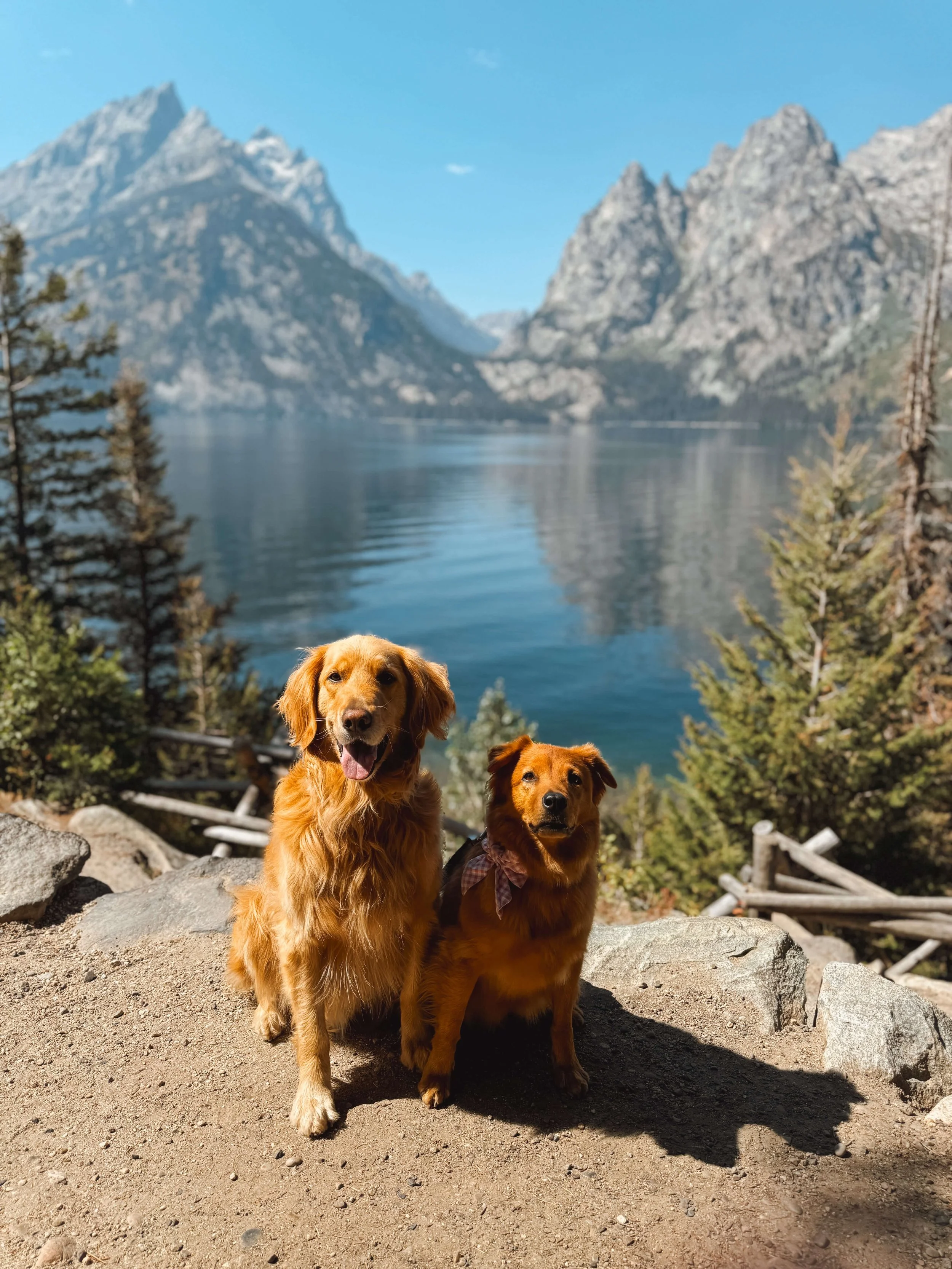
Start the trip with a scenic Grand Teton day built around places that work without a long hike. Jackson Lake, Mormon Row, and Oxbow Bend give you a good introduction to the park while keeping most of the day focused on scenic driving and short stops.
Pet access in Grand Teton is limited. Pets are not allowed on park trails or in the backcountry, so this isn’t the day to plan a traditional hike with your dog. National Park Service
Choose pet-friendly lodging based on your next day’s route rather than hotel price alone. Compare current options on Expedia or Booking.com and verify the property’s pet policy before booking.
Day 2 — Teton Canyon + Drive to West Yellowstone

After a restricted national park day, give your dog more outdoor time in Teton Canyon in Caribou-Targhee National Forest.
This makes a useful dog-friendly stop if you’re traveling from Jackson through Teton Valley before continuing north toward West Yellowstone. The Forest Service lists dogs as welcome in Teton Canyon, with leashes required.
Choose a walk that fits your dog’s conditioning and the day’s weather rather than trying to turn this into another major hiking day. This stop is here primarily to give your dog meaningful exercise before the more restrictive Yellowstone portion of the trip.
Planning note: Caribou-Targhee is bear country, so follow current food-storage and wildlife-safety requirements and keep your dog under control.
Continue to your West Yellowstone-area lodging after your walk.
Day 3 — Yellowstone

Use this day for Yellowstone’s major geothermal and scenic attractions, such as Old Faithful, Grand Prismatic Spring, and the Grand Canyon of the Yellowstone.
This is the day when your dog-care plan matters most. In Yellowstone, pets are restricted to developed areas within 100 feet of roads, parking areas, and campgrounds and aren’t allowed on hiking trails, boardwalks, in thermal areas, or in the backcountry.
Decide before your trip how you’ll handle the hours when you’re visiting restricted attractions. Depending on your circumstances, that might mean splitting activities between adults, arranging appropriate pet care, or modifying the itinerary.
Don’t rely on leaving your dog unattended in the vehicle while you explore. Yellowstone specifically prohibits leaving pets unattended or tied to objects.
Before visiting:
Day 4 — Lamar Valley

Slow the pace and make wildlife the focus of this day.
An early-morning Lamar Valley drive gives you time to stop at established pullouts and watch for wildlife without trying to combine the valley with another huge sightseeing list. Sightings are never guaranteed, so treat anything you see as a bonus rather than building the day around a specific animal.
Bring binoculars. Many wildlife sightings occur far from the road, and binoculars make it easier to watch animals without approaching them.
If you’re deciding where to focus your wildlife time, my Lamar Valley vs Hayden Valley guide compares the two areas.
Day 5 — Custer Gallatin National Forest

Make this a true dog-focused day in the Hebgen Lake Ranger District of Custer Gallatin National Forest, just outside West Yellowstone.
Instead of another long national park sightseeing day, choose a forest walk, lakeside area, or campground-based outing that gives your dog more time outside the vehicle.
Rules vary by trail and season, so check the current Forest Service information before choosing a route. Keep your dog under control, pack out pet waste, and remember that this is active bear country.
The goal isn’t to squeeze in another famous attraction. It’s to create a day that’s genuinely enjoyable for the dog after several more restrictive park days.
Day 6 — Hebgen + Earthquake Lake

Use Day 6 as a slower recovery day around Hebgen Lake and Earthquake Lake.
Hebgen Lake gives you a scenic setting close to West Yellowstone without committing to another major driving day. Custer Gallatin manages campgrounds and recreation around the lake, including Rainbow Point and other sites in the Hebgen Lake district.
Pair the lake with a visit to the Earthquake Lake area, then leave the rest of the day intentionally light.
This slower pacing is important on a dog road trip. By this point, both people and pets may need a day without another long list of attractions.
Day 7 — Flexible Buffer Day
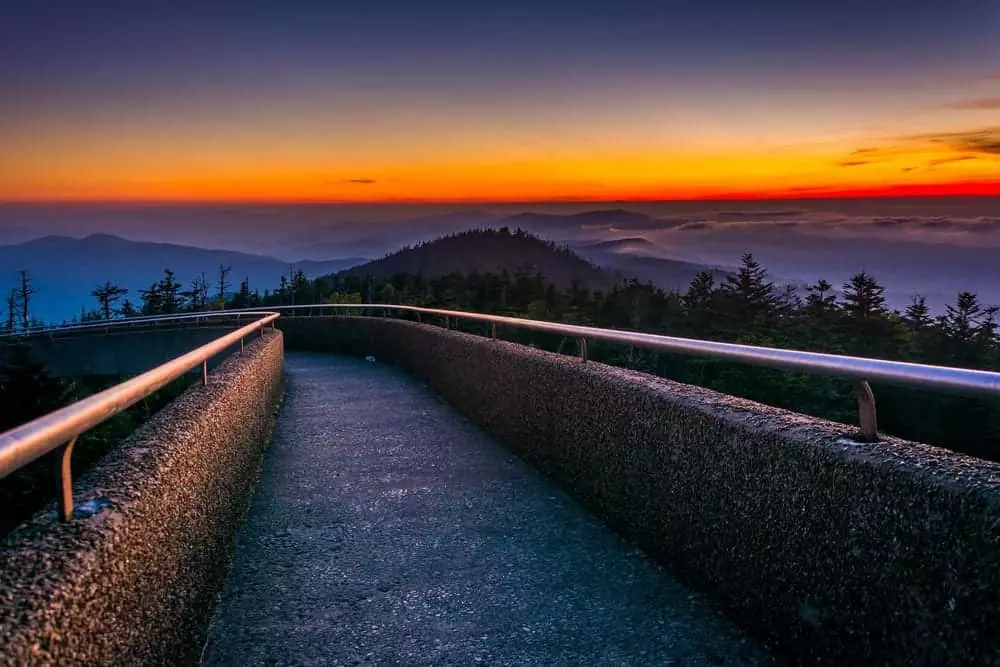
Keep the final day intentionally flexible.
Use it to revisit a favorite area, adjust for weather, shorten the driving, give your dog another outdoor day, or simply rest before the trip home.
A buffer day is especially useful in Yellowstone country because wildlife delays, weather, road conditions, and fatigue can all change the schedule. Don’t fill this day in advance unless you need to.
Full Itinerary Overview
| Day | Location | Dog Friendly? | Focus |
|---|---|---|---|
| 1 | Grand Teton | Limited | Scenic stops |
| 2 | Teton Canyon / Caribou-Targhee | YES | Dog hiking |
| 3 | Yellowstone | Mostly NO | Park highlights |
| 4 | Lamar Valley | Limited | Wildlife |
| 5 | Custer Gallatin / Hebgen Lake District | YES | Dog-friendly day |
| 6 | Lakes Region | YES | Relaxed pacing |
| 7 | Flexible | Mixed | Buffer day |
Where to Stay on This Route
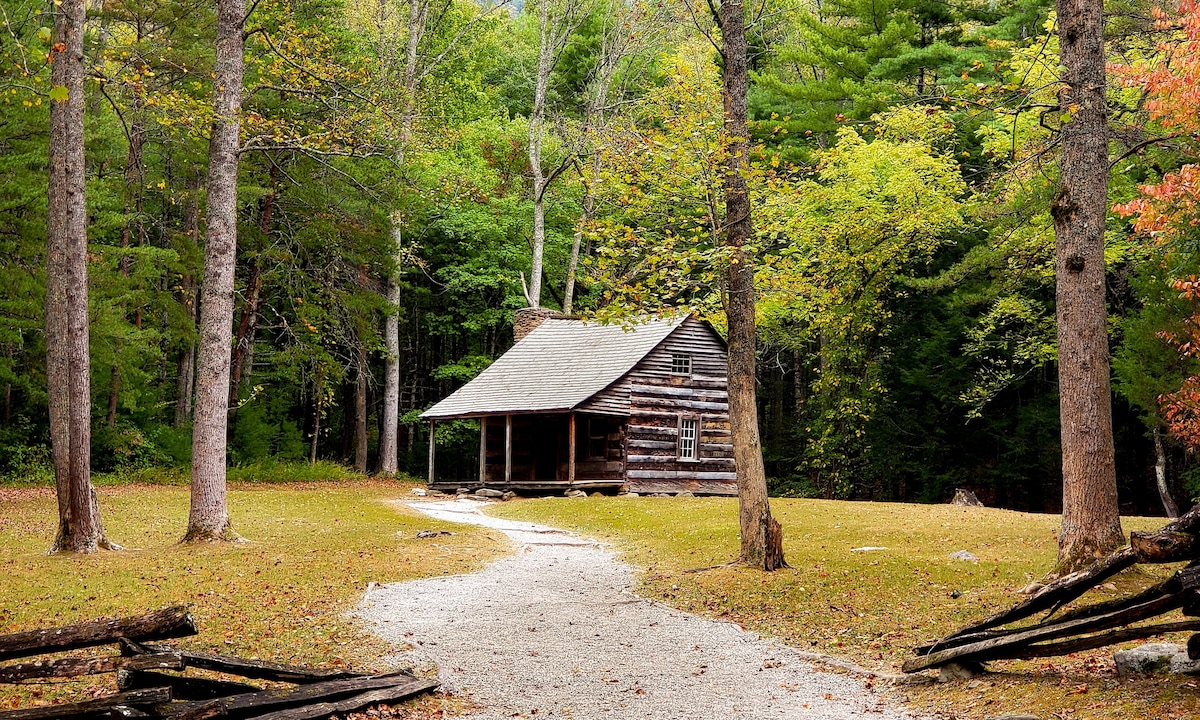
Pet-friendly lodging matters more on this itinerary than simply finding the cheapest room.
Look for properties with convenient outdoor access, clear pet policies, and a location that doesn’t add unnecessary driving before or after your national park days.
Compare current pet-friendly stays on Booking.com or Expedia.
Traveling by RV? Compare rentals on Outdoorsy.
Always verify the individual property’s current pet policy before booking. “Pet-friendly” can still include size limits, pet fees, room restrictions, or limits on how many pets are allowed.
Would an RV Make This Trip Easier With a Dog?
An RV can make some parts of a dog-friendly road trip easier because you have a more consistent home base, food and water setup, and campground routine.
But an RV doesn’t change Yellowstone or Grand Teton’s pet restrictions. Your dog still can’t accompany you onto most park trails or thermal boardwalks.
If you’re considering renting rather than using hotels, compare the total cost and driving experience, not just the nightly rental price.
Compare current RV rentals on Outdoorsy, and read my RV vs. Hotel guide before deciding.
If you’re camping rather than using hotels, also compare campground availability before committing to an RV rental—the rental only helps if the overnight stops work with your route.
Why This Dog-Friendly Road Trip Works
This route doesn’t pretend Yellowstone and Grand Teton are dog-friendly hiking destinations.
Instead, it alternates national park sightseeing with places where your dog can have more freedom and outdoor time.
That balance matters. Several consecutive days of driving and restricted access may technically allow you to travel with a dog, but that doesn’t necessarily make the trip enjoyable for the dog.
Build the itinerary around both sides of the trip: what you want to experience and what your dog realistically needs.
What to Bring for a Dog-Friendly Road Trip
A dog-friendly road trip doesn’t require a huge gear list, but a few basics make long driving days and outdoor stops easier.
Bring a reliable leash or harness, food and water setup, waste bags, a secure place for your dog to rest in the vehicle, and whatever your dog normally needs for longer walks.
My Dog Travel Essentials Amazon list includes the road-trip gear I recommend.
For the national park portions of the trip, you can also use my Yellowstone Packing List and Grand Teton Packing List for the people-side of the trip.
Planning the National Park Days
The hardest part of this route isn’t the dog-friendly days—it’s fitting Yellowstone and Grand Teton into the trip without creating exhausting driving days or unnecessary backtracking.
My Yellowstone + Grand Teton Travel Planning System helps you organize both parks together, including lodging, daily routes, trip length, packing, budget, and itinerary planning.
Frequently Asked Questions
Can you take a dog on a Yellowstone and Grand Teton road trip?
Yes, but you need to plan around significant pet restrictions in both parks. Dogs can accompany you in some developed areas, but most hiking trails and Yellowstone thermal boardwalks are off limits.
Can dogs hike in Yellowstone or Grand Teton?
Generally, dogs aren’t permitted on most park hiking trails. That’s why this itinerary includes nearby national forest and recreation areas rather than expecting the national parks to provide the dog’s hiking days.
What do you do with your dog while sightseeing in Yellowstone?
Plan this before your trip. Depending on your circumstances, you may split sightseeing between adults, use an appropriate pet-care service, or modify your Yellowstone itinerary. Don’t rely on leaving a dog unattended in a vehicle while visiting attractions.
Is an RV better than a hotel for a dog-friendly national park road trip?
It can provide a more consistent home base, but an RV doesn’t change national park pet restrictions. Compare campground availability, rental cost, fuel, driving comfort, and your dog’s needs before choosing.
How many days do you need for this road trip?
Seven days provides enough time to alternate major national park sightseeing with slower dog-friendly days. Trying to compress the route significantly increases driving and reduces the flexibility that makes traveling with a dog manageable.
Bottom Line
A successful dog-friendly Yellowstone and Grand Teton road trip isn’t about finding a way to bring your dog to every attraction.
It’s about building the restrictions into the itinerary from the beginning.
Use Grand Teton and Yellowstone days for the experiences you came to see, then balance them with national forest, lake, and slower travel days where your dog gets more outdoor time.
The result is a trip that works better for both you and your dog—without pretending these national parks offer pet access they don’t.