Best Time to Visit the Oregon Coast: Month-by-Month Guide

This post may contain affiliate links. If you book or purchase through them, I may earn a small commission at no additional cost to you. I only recommend products and services that I believe are useful for planning your trip.
Table of Contents
The best time to visit the Oregon Coast depends less on finding a perfect-weather month and more on choosing the season that fits the trip you want.
Summer brings long daylight hours, busier coastal towns, and generally easier conditions for a road trip. Fall can bring quieter towns and beautiful stretches of weather, while winter is ideal for travelers who want dramatic storms and cozy oceanfront stays. Spring falls somewhere in between, with changing weather, fewer visitors, and seasonal wildlife opportunities.
But the Oregon Coast is unpredictable in every season. A sunny August afternoon can turn foggy and windy, while a winter weekend can occasionally deliver surprisingly calm conditions.
This guide breaks down the Oregon Coast month by month and season by season, including when to go for a first trip, road trips, whale watching, storm watching, fewer crowds, and better weather.
WTT Tip: Don’t choose your Oregon Coast dates based on temperature alone. Wind, rain, fog, daylight, tides, crowds, and what you want to do can matter just as much.
Quick Answer
For most first-time visitors, the best time to visit the Oregon Coast is July through September, when daylight is long and conditions are generally better suited to sightseeing and road trips.
But the best month depends on what you want from the trip.
- Best for a first trip: July through September
- Best chance of pleasant weather: August and September
- Best for fewer crowds: May, early June, late September, and October
- Best for storm watching: November through February
- Best for whale migration: Late December and late March
- Best for a quieter road trip: May, September, and early October
September is one of my favorite choices because it can combine relatively favorable coastal weather with fewer peak-summer vacation crowds. But no month guarantees sunshine, calm winds, or clear views on the Oregon Coast.
If your dates are flexible, choose your season based on the experience you want, then plan for changing weather regardless of when you go.
WTT Tip: For a first Oregon Coast road trip, I’d usually choose late summer or early fall rather than trying to find one perfect-weather week.
How to Choose the Best Time to Visit the Oregon Coast
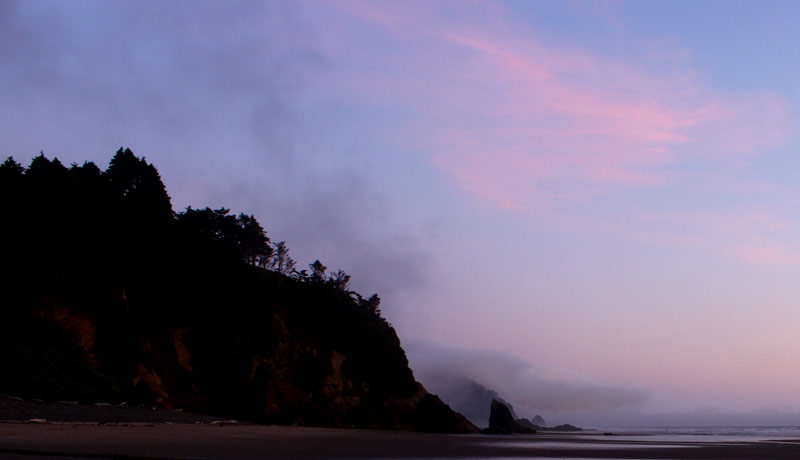
The best season depends on what you actually want to do once you get there.
For a first-time road trip with several coastal towns, beaches, viewpoints, and outdoor stops, summer and early fall generally give you the easiest conditions and the most daylight.
If avoiding peak crowds matters more than maximizing your chances of dry weather, look at May, September, or early October.
Winter is a completely different trip. Instead of long sightseeing days and beach walks, the appeal shifts toward storm watching, dramatic ocean scenery, cozy stays, and quieter coastal towns.
Spring works well for travelers who don’t mind changing weather and want fewer visitors, seasonal wildlife opportunities, and more flexibility than peak summer usually provides.
Your itinerary matters too. A trip based in one town can handle unpredictable weather more easily than a seven-day road trip with outdoor stops scheduled every day.
Before choosing your dates, think about these four things:
- Weather: How much rain, wind, fog, and cool weather are you willing to work around?
- Crowds: Are busy towns and popular viewpoints a problem for you?
- Activities: Are beaches, hiking, whale watching, photography, or storm watching priorities?
- Trip style: Are you driving the coast or settling into one area for several days?
There’s no season that wins every category.
WTT Tip: Choose your dates based on the two or three things that matter most to your trip rather than trying to find a month with perfect weather, low prices, no crowds, and every attraction operating normally.
Summer (June – September)

Summer is the busiest and generally easiest season for a first Oregon Coast trip, especially if you’re planning a road trip with beaches, viewpoints, hiking, and several coastal towns.
Long daylight hours give you more flexibility for sightseeing, and most seasonal businesses and attractions are operating. But don’t picture consistently hot, sunny beach weather. Even in July and August, the coast can be cool, windy, foggy, or cloudy.
June can still feel transitional, while August and September often provide some of the more favorable coastal conditions of the year.
Why Visit in Summer
Summer works especially well if you want to cover a lot of the coast. Longer days make it easier to combine scenic drives, beach stops, short hikes, and coastal towns without feeling as rushed.
It’s also the season when popular destinations such as Cannon Beach, Lincoln City, Newport, and Florence are at their busiest. Expect more competition for lodging, parking, restaurants, and popular viewpoints.
What to Expect
Temperatures along much of the coast remain relatively mild compared with inland Oregon. Fog and wind are still possible, and conditions can vary significantly from one town—or even one part of the day—to another.
July and August typically bring the largest summer crowds, particularly on weekends and around popular beach towns.
September can be an excellent transition month, with summer-like travel conditions possible but fewer family vacation crowds once schools are back in session.
Summer Is Best For
Summer is a strong choice for first-time visitors, families, longer road trips, hiking, beach exploration, and travelers who want maximum daylight for sightseeing.
If your dates are flexible and you don’t need to travel during school vacation, I’d look especially closely at late August through September.
WTT Tip: Don’t pack for the Oregon Coast as though you’re taking a traditional summer beach vacation. Bring layers and rain protection even when the forecast looks good.
Fall (October – November)

Fall is a transition season on the Oregon Coast. Early October can still work beautifully for a road trip, while November increasingly brings the wetter, windier conditions associated with the coast’s winter storm season.
The advantage is that peak summer travel has ended. Popular towns and viewpoints can feel noticeably quieter, particularly outside weekends and holiday periods.
Why Visit in Fall
Fall works well for travelers who value fewer crowds and flexibility more than predictable weather.
October can provide a particularly nice balance. You may encounter stretches of pleasant weather without the peak-summer crowds, although rain, wind, fog, and rapidly changing conditions are always possible.
By November, the character of the trip begins to change. Outdoor sightseeing is still possible, but shorter daylight hours and stronger storms mean you’ll want a more flexible itinerary.
What to Expect
Don’t assume fall automatically means inexpensive hotels or empty beaches. Rates and crowds vary by town, weekend, events, and individual properties.
Instead, think of fall as a season when you may have more room to adjust your trip as you go.
October is generally better suited to a traditional road trip. November begins to make more sense for travelers who enjoy dramatic weather, ocean views, and a slower coastal getaway.
Fall Is Best For
Fall is a strong choice for couples, photographers, repeat visitors, quieter road trips, and travelers who don’t mind adjusting plans around the weather.
If I were choosing fall dates for a first Oregon Coast road trip, I’d favor early to mid-October over November.
WTT Tip: Fall isn’t simply “summer with fewer people.” Build some flexibility into each day so a rainy or windy stretch doesn’t derail the entire itinerary.
Winter (December – February)

Winter shows a completely different side of the Oregon Coast. This is the season for powerful storms, dramatic waves, quieter towns, and cozy coastal stays rather than long days of predictable outdoor sightseeing.
It can be a fantastic time to visit if you enjoy watching changing weather and don’t mind building your plans around conditions.
Why Visit in Winter
Winter storms can create some of the most dramatic ocean scenery of the year. It’s also a quieter season in many coastal towns, making winter appealing for repeat visitors and travelers who prefer a slower trip.
Whale migration can provide another reason to visit around late December and early January, although sightings are never guaranteed.
The key is approaching winter as a weather-dependent coastal getaway, not a summer road trip with fewer people.
What to Expect
Expect shorter daylight hours and a greater chance of rain, strong wind, rough surf, and rapidly changing conditions.
Some businesses may operate reduced hours or close seasonally, so check anything important to your trip before making a special drive.
Road conditions can also be affected by storms, fallen trees, flooding, or other weather-related issues. Keep the itinerary flexible and check conditions before longer driving days.
Storm-Watching Safety
Watch storms from a safe, elevated viewpoint or from inside an oceanfront property, not from beaches, rocks, jetties, logs, or cliff edges.
Large waves and sneaker waves can reach much farther inland than expected. Never turn your back on the ocean, and don’t approach the water simply to get a better photograph.
If conditions look unsafe, enjoy the storm from indoors.
Winter Is Best For
Winter works especially well for storm watching, photography, cozy getaways, whale migration, and repeat visitors who don’t need a tightly scheduled sightseeing itinerary.
It is less ideal if your trip depends on long beach walks, multiple hikes, or covering large portions of the coast on a rigid schedule.
WTT Tip: In winter, let the weather determine the day’s itinerary. Have an outdoor plan for calmer periods and an indoor or scenic-driving alternative when conditions deteriorate.
Spring (March – May)
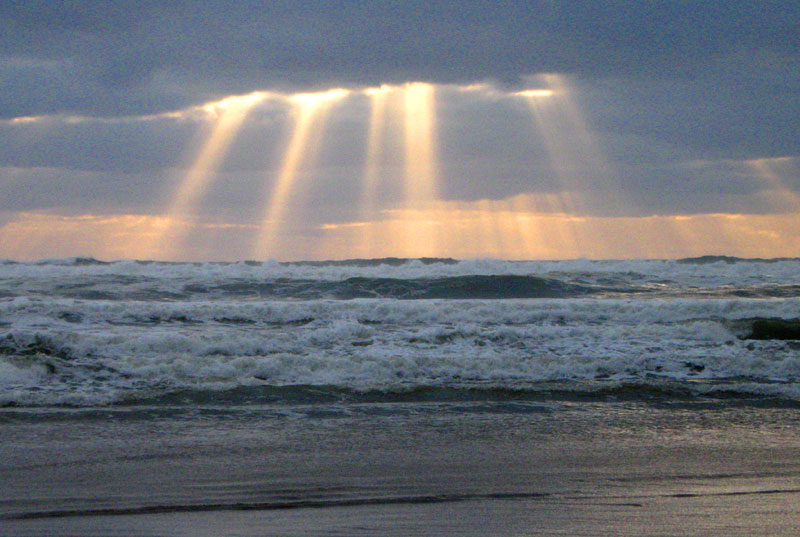
Spring is one of the Oregon Coast’s most changeable seasons. A single trip can include sunshine, rain, wind, fog, and surprisingly pleasant stretches of weather.
March can still feel distinctly winter-like, while April and especially May begin transitioning toward longer sightseeing days and better conditions for road trips.
Why Visit in Spring
Spring is a good choice if you want to visit before peak summer travel and don’t mind planning around changing weather.
Late March is also associated with the northbound gray whale migration along the Oregon Coast, making coastal viewpoints particularly appealing for travelers interested in whale watching.
As the season progresses, longer daylight hours make it easier to combine beach stops, coastal towns, viewpoints, and short hikes without the pace of a peak-summer trip.
By May, the coast can work especially well for travelers who want a traditional road trip but aren’t tied to summer vacation dates.
What to Expect
Spring weather is unpredictable. Rain remains possible throughout the season, and wind or fog can change outdoor plans quickly.
March generally requires more flexibility than May. By late spring, you’ll have considerably more daylight, but you should still pack layers and rain protection and avoid building an itinerary that depends on several consecutive dry days.
Crowds generally increase as Memorial Day approaches, so don’t assume every spring weekend will be quiet.
Spring Is Best For
Spring works particularly well for whale watching, photography, flexible road trips, repeat visitors, and travelers who want to visit before peak summer.
For a general sightseeing trip, I’d favor May over March. For whale migration, late March becomes much more interesting.
WTT Tip: Think of spring as a transition rather than one consistent season. A March Oregon Coast trip and a late-May Oregon Coast trip can feel very different.
Oregon Coast Month-by-Month Breakdown
Conditions vary from year to year, but each month has a slightly different feel on the Oregon Coast. Use this as a planning guide rather than a weather guarantee.
January
January is firmly in the winter storm season. Expect short days, frequent rain, strong winds, and periods of rough surf.
This can be a great month for storm watching, quiet coastal towns, and oceanfront getaways, but it’s not the month I’d choose for a first road trip built around hiking and long beach days.
Best for: Storm watching, quiet getaways, dramatic scenery
February
February remains wet and winter-like, although calmer stretches of weather can create unexpectedly beautiful sightseeing days.
Crowds are generally light outside holiday weekends, making it appealing if you’re comfortable changing plans around the forecast.
Best for: Photography, quiet towns, flexible winter trips
March
March begins the transition toward spring, but winter weather can still make an appearance.
One of the month’s biggest draws is the northbound gray whale migration, particularly around late March. Longer daylight also makes sightseeing easier than during the heart of winter.
Best for: Whale watching, photography, flexible trips
April
April brings longer days but highly variable weather. Sunshine, showers, wind, and clouds can all cycle through quickly.
It’s a good month for travelers who value lighter crowds and flexibility more than predictable weather.
Best for: Shoulder-season road trips, coastal towns, photography
May
May is one of the strongest shoulder-season choices for travelers who aren’t tied to summer vacation dates.
Days are longer, outdoor sightseeing becomes easier, and peak summer crowds haven’t fully arrived. Rain and cool weather are still possible, so layers remain essential.
Best for: Road trips, hiking, fewer crowds, first-time visitors with flexible dates
June
June marks the beginning of the main summer travel season, but don’t assume it will feel like midsummer.
Cool temperatures, wind, clouds, and fog are all possible. The big advantage is very long daylight, which gives road-trippers more time to explore.
Best for: Long sightseeing days, families, road trips
July
July is one of the busiest months on the Oregon Coast.
You’ll have long days and plenty of opportunities for outdoor activities, but popular towns, beaches, viewpoints, and lodging can also be busy.
Best for: Family vacations, hiking, beach exploration, first trips
August
August is one of the strongest choices for travelers prioritizing outdoor sightseeing and a traditional Oregon Coast road trip.
It’s also peak travel season, so expect competition for lodging and parking in the most popular destinations.
Fog, wind, and cool mornings can still occur even when inland Oregon is hot.
Best for: First trips, road trips, hiking, beach exploration
September
September can offer an excellent combination of late-summer conditions and decreasing crowds, particularly after the busiest summer vacation period ends.
Days are getting shorter, but there’s still enough daylight for a full sightseeing itinerary.
For travelers with flexible dates, September is one of the months I’d consider first.
Best for: Road trips, couples, first-time visitors, photography
October
October is a transition month. Pleasant stretches of weather are possible, but rain and stronger weather systems become increasingly likely as the month progresses.
It’s a good choice for travelers who want a quieter coast and are willing to keep their itinerary flexible.
Best for: Quieter road trips, photography, couples, repeat visitors
November
By November, the coast is moving into its wetter and stormier season.
This is less of a traditional beach-and-hiking road trip and more of a dramatic-weather coastal getaway. Shorter daylight also limits how much sightseeing comfortably fits into one day.
Best for: Storm watching, cozy stays, photography
December
December brings short days, winter storms, holiday travel, and the beginning of the southbound gray whale migration period.
It’s a good month for travelers who enjoy the coast’s dramatic winter personality and don’t need predictable outdoor conditions.
Best for: Storm watching, whale watching, holiday getaways
Once you’ve chosen your dates, compare lodging before you build the rest of the route. Popular Oregon Coast towns can have very different availability and pricing depending on the season, weekend, and local events. Compare current options on Booking.com or Expedia.
WTT Tip: If you’re choosing purely for a first Oregon Coast road trip, I’d start by comparing May, August, September, and early October. They offer four different balances of weather, daylight, crowds, and flexibility.
Best Time to Visit the Oregon Coast for Different Goals
The best month changes depending on what you want to do. Here’s how I’d narrow down your dates based on the type of Oregon Coast trip you’re planning.
First-Time Visitors
For a first trip, July through September is usually the easiest window.
You’ll have long enough days for sightseeing, generally favorable conditions for outdoor activities, and fewer seasonal limitations than during winter.
If your schedule is flexible, September is particularly appealing because it falls outside much of the peak family-vacation period while still working well for a traditional coastal road trip.
Best Weather
If weather is your biggest priority, look first at August and September.
That doesn’t mean guaranteed sunshine. Coastal fog, wind, clouds, and cool temperatures can occur even in late summer.
Think of August and September as providing a better chance of favorable sightseeing conditions, not dependable beach weather.
Fewer Crowds
For a balance between lighter crowds and reasonable sightseeing conditions, consider May, early June, late September, or early October.
January and February may be quieter overall, but they’re not an equal substitute if your goal is a road trip with beaches, viewpoints, and hiking.
The better question isn’t simply when is the coast least crowded? It’s when can I get fewer crowds without giving up the type of trip I want?
Storm Watching
The main storm-watching season is generally November through February.
Choose a safe oceanfront property, designated viewpoint, or other protected location where you can watch rough conditions without approaching the surf.
Never use storm watching as a reason to walk onto beaches, jetties, rocks, driftwood, or exposed cliff edges during dangerous conditions.
Photography
There’s no single best photography season.
Spring and fall can provide dramatic skies, changing weather, lighter crowds, and interesting light. Winter is excellent for storm photography from safe locations, while summer gives you long days and more time to reach multiple viewpoints.
Choose the season based on what you want to photograph rather than assuming one month produces universally better conditions.
Whale Watching
The Oregon Coast offers whale-watching opportunities throughout the year, but the major gray whale migrations occur in winter and spring.
The southbound migration is typically most noticeable from late December into January, while the northbound migration becomes a major attraction around late March.
Some gray whales also feed near the Oregon Coast during summer and fall, particularly along the central coast, so whale sightings are possible outside the major migration periods.
Sightings are never guaranteed, so I wouldn’t build an entire Oregon Coast trip around seeing whales on one specific day.
WTT Tip: If you’re trying to balance several goals at once—good sightseeing conditions, fewer peak crowds, road-trip flexibility, and photography—September is one of the strongest all-around choices.
Common Mistakes When Choosing When to Visit
Choosing the wrong month usually isn’t what causes problems on an Oregon Coast trip. The bigger issue is choosing a season based on assumptions that don’t match how the coast actually works.
Assuming Summer Means Warm Beach Weather
Summer generally offers some of the easiest conditions for sightseeing, but the Oregon Coast isn’t a traditional hot-weather beach destination.
Even in July and August, you can encounter cool mornings, wind, fog, clouds, and rapidly changing conditions. Inland Oregon temperatures also tell you very little about what it will feel like beside the Pacific.
Pack layers regardless of the summer forecast.
Choosing Dates Based Only on Crowds
Fewer visitors can make a trip more enjoyable, but the least crowded month isn’t necessarily the best month for your trip.
January may be quieter than September, but it also brings much shorter days and a greater chance of stormy weather. If your priorities are hiking, beaches, and a multi-town road trip, choosing winter solely to avoid crowds may create more compromises than benefits.
Look for the best balance between crowds and the activities you actually want to do.
Ignoring the Differences Within a Season
June and September are both technically summer, but they don’t necessarily provide the same experience. March and May can feel even more different despite both being spring months.
That’s why choosing a specific month is more useful than simply deciding to visit in “summer” or “fall.”
Building a Weather-Dependent Itinerary
Don’t create a trip where every day requires sunshine and calm conditions.
Mix beaches, viewpoints, towns, scenic drives, short hikes, restaurants, museums, and other flexible stops so you can adjust when the weather changes.
This matters even during August and September.
Forgetting About Daylight
Weather isn’t the only seasonal difference.
Long summer days give you much more time for a multi-stop road trip, while short winter days can make the same itinerary feel rushed.
When planning fall, winter, or early-spring travel, reduce the number of stops you expect to fit comfortably into one day.
Treating the Ocean Like a Schedule
Tides and ocean conditions can matter more than the month for certain coastal experiences.
A beach, tide-pool area, cave, or rocky shoreline may be accessible at one point in the day and unsafe later. Never assume that because other visitors are somewhere, conditions are safe.
WTT Tip: Choose the season first, but build the actual itinerary around current weather, daylight, tides, and ocean conditions once your trip gets closer.
Tips for Planning Around Oregon Coast Weather
You can’t control Oregon Coast weather, but you can build a trip that’s much easier to adjust when conditions change.
Check the Forecast — But Don’t Plan Around One App
Look at the forecast before each sightseeing day, but remember that conditions can vary considerably along the coast.
A rainy morning doesn’t necessarily mean the entire day is lost, and conditions in Cannon Beach may not match what you’ll encounter farther south.
Use the forecast to adjust your plans rather than cancel an entire day automatically.
Check Tides Before Beach and Coastal Stops
Tides matter at many Oregon Coast beaches, rocky shorelines, tide-pool areas, and locations where rising water can reduce or eliminate your safe route back.
This is especially important at places such as Hug Point, where access to some shoreline features depends on safe conditions.
Check the tide forecast before heading out, pay attention to changing ocean conditions, and never rely solely on the fact that other people are walking somewhere.
Build Flexibility Into Road-Trip Days
Don’t schedule every hour.
If the weather is poor at a viewpoint, continue with your route and consider returning later only if doing so makes geographic sense.
Likewise, if you get an unexpectedly beautiful stretch of weather, give yourself permission to spend longer at a beach, viewpoint, or trail instead of racing to the next scheduled stop.
Keep Layers and Rain Gear Accessible
Oregon Coast conditions can change quickly, even during summer.
Keep a light rain layer and warmer layer somewhere you can reach easily rather than packing them underneath the rest of your luggage.
Comfortable walking shoes are also useful year-round because wet trails, sand, rocks, and viewpoints can all become slippery.
For a complete packing guide, see my Oregon Coast Packing List.
If you still need gear, my Oregon Coast Packing List on Amazon includes the layers, rain gear, walking shoes, and road-trip essentials I recommend.
Have a Backup Plan
Not every coastal day needs to revolve around beaches and hiking.
Coastal towns, restaurants, museums, aquariums, scenic drives, shops, and your lodging can give you alternatives when conditions aren’t ideal for extended outdoor sightseeing.
A flexible itinerary makes bad weather an adjustment rather than a ruined vacation.
Check Current Conditions Before You Go
Before heading to a beach, trail, or viewpoint, check current weather and any relevant local alerts or closures.
Conditions near the ocean can change faster than expected, particularly during fall and winter storms.
WTT Tip: Don’t try to beat Oregon Coast weather. Build enough flexibility into your itinerary that you can work with whatever conditions you get.
What Most People Don’t Realize
The Oregon Coast doesn’t really have a season when every part of the trip becomes predictable.
Even during the most popular summer months, you can wake up to fog, encounter strong wind at a viewpoint, find sunshine a few miles down the highway, and need a jacket again by evening.
That’s why the best time to visit the Oregon Coast isn’t necessarily the month with the warmest average temperature.
What matters more is whether the season supports the trip you want to take.
A summer traveler may have long days and generally easier sightseeing conditions but deal with crowded towns and limited parking. A May visitor may trade some weather certainty for fewer people. A winter traveler may encounter heavy rain and rough seas but have exactly the dramatic coastal experience they came to see.
The Oregon Coast also rewards flexibility more than a tightly scheduled itinerary. Weather, tides, wildlife, road conditions, and an unexpectedly beautiful stop can all change how long you spend in one place.
Plan enough to know where you’re going and what matters most, but leave enough room to adjust once you’re there.
WTT Tip: The best Oregon Coast trips aren’t necessarily the ones with perfect weather. They’re the ones planned well enough that changing conditions don’t ruin the day.
Now Turn the Right Time Into the Right Trip
Once you’ve chosen when to visit, the next step is deciding how much of the Oregon Coast fits your time and how to organize the route.
That’s where the Oregon Coast Travel Planning System can help.
It walks you through choosing your coastal regions, organizing overnight bases, prioritizing stops, building realistic travel days, preparing for changing conditions, and keeping the important details of your trip in one place.
Instead of trying to squeeze every Oregon Coast town and viewpoint into one vacation, you can build a trip around your available days, priorities, and travel style.
WTT Tip: Choose the season first. Then build a route that actually works for the daylight, weather, and pace you’re likely to have during that season.
Frequently Asked Questions
What is the best month to visit the Oregon Coast?
September is one of the best all-around months for an Oregon Coast trip, particularly if you want a road trip with beaches, viewpoints, hiking, and coastal towns. You may get favorable late-summer conditions with fewer peak family-vacation crowds. August is another strong choice if weather is the priority, while May and early October can be good alternatives for travelers willing to accept more variable conditions in exchange for fewer visitors.
Is the Oregon Coast warm in summer?
The Oregon Coast is generally cooler than inland Oregon, even during summer. Rather than expecting hot beach weather, plan for mild temperatures along with possible wind, fog, clouds, and cool mornings or evenings. Conditions vary along the coast and from day to day, so bring layers even in July and August.
Is the Oregon Coast worth visiting in winter?
Yes, if you want the kind of trip winter does well. Winter is excellent for storm watching, dramatic ocean scenery, quieter coastal towns, photography, and cozy oceanfront stays. It is less suited to travelers who want long daylight hours and a tightly scheduled road trip filled with beaches and hikes. Keep plans flexible and watch storms only from safe locations.
What is the least crowded time to visit the Oregon Coast?
Winter generally brings some of the lightest visitation, particularly outside holidays and special events, but the least crowded season isn’t necessarily the best one for every traveler. If you want fewer crowds without giving up a traditional road-trip experience, May, late September, and early October are often better compromises.
When is whale watching season on the Oregon Coast?
Gray whales can be seen along the Oregon Coast at different times of year, but the major migrations are associated with winter and spring. Southbound whales typically pass the coast from late December into January, while the northbound migration becomes especially notable around late March. Some gray whales also feed near the Oregon Coast during summer and fall, particularly along the central coast, so whale sightings are possible outside the major migration periods too.
Is May a good time to visit the Oregon Coast?
Yes. May can be an excellent shoulder-season choice, especially for travelers who want longer sightseeing days and fewer peak-summer crowds. Weather can still be cool, rainy, windy, or changeable, so May works best if you’re comfortable keeping the itinerary flexible.
Is October a good time to visit the Oregon Coast?
Yes, particularly early October. Summer crowds have generally eased, and pleasant stretches of weather are still possible. As October progresses, rain, wind, and stronger weather systems become increasingly likely, so later trips require more flexibility.
How many days do you need for an Oregon Coast trip?
For a road trip, 3–5 days gives you time to explore one or two portions of the coast without trying to see everything, while about a week works much better if you want to travel through multiple regions. If you have only a weekend, choose one coastal area as your base rather than spending most of the trip driving.
Bottom Line
The best time to visit the Oregon Coast depends on the trip you want, not one universally perfect month.
For most first-time visitors planning a traditional road trip, July through September is the easiest window, with August and September especially strong choices.
If you want fewer peak-season crowds and don’t mind more variable weather, May and early October are worth considering.
Choose November through February if storm watching, dramatic scenery, and a quieter coastal getaway are the priority. And look closely at late March if seeing the spring gray whale migration is important to you.
Whatever month you choose, don’t build the trip around perfect weather. Pack layers, check tides and current conditions, leave room to adjust your plans, and choose a route that fits the amount of daylight you have.
The Oregon Coast doesn’t need perfect weather to be worth visiting. It just needs a trip designed for the season you’re actually traveling in.
WTT Tip: If I were choosing dates for a first Oregon Coast road trip and had complete flexibility, September would be one of my first choices.
Plan Your Next Trip
Once you’ve chosen when to go, these guides can help you build the rest of your trip: