9 Best National Parks for Dogs (Where It Actually Works — and Where It Doesn’t)

This post may contain affiliate links. If you book through them, I may earn a small commission at no extra cost to you.
Table of Contents
Planning a national park trip with your dog sounds simple until you start checking the rules. Some national parks welcome leashed dogs on miles of hiking trails, while others limit pets to roads, campgrounds, and a handful of developed areas.
That difference matters. A park might technically allow dogs, but that doesn’t mean you’ll be able to enjoy its most popular attractions together.
This guide compares nine of the best national parks for dogs, focusing on where pets can actually join you for hiking, sightseeing, and outdoor activities. We’ll also cover the restrictions that could affect your trip so you can choose a destination that works for both you and your dog.
Quick Answer
Acadia and Shenandoah are two of the best national parks for travelers who want to hike with their dogs. Both offer extensive trail access, making them especially practical choices for an active trip.
For a different experience, White Sands allows leashed dogs to explore its outdoor areas, while Petrified Forest offers unusually flexible access to trails and outdoor landscapes.
Grand Canyon, Olympic, Great Sand Dunes, Cuyahoga Valley, and Indiana Dunes can also work well, depending on the activities you’re planning.
The best choice isn’t necessarily the park with the most famous scenery. It’s the one where your dog can participate in the activities you actually want to do.
Reality Check: Dogs in National Parks

BNational parks have different pet restrictions because they protect wildlife, sensitive habitats, and visitor safety. Dogs may be welcome on paved paths and in campgrounds but prohibited on nearby hiking trails or boardwalks.
Before booking a trip, check exactly where your dog can go. Pay particular attention to trail access, beaches, shuttle transportation, and seasonal restrictions.
The National Park Service maintains general pet information, but the individual park’s rules should always be your final reference.
WTT Tip: Choose your activities before choosing your accommodations. A pet-friendly hotel near a national park won’t help much if the trails and attractions you want to visit don’t allow dogs.
Best National Parks for Dogs (Realistic Options)
For this guide, “dog-friendly” means leashed pets can join you for meaningful outdoor experiences—not that dogs are allowed everywhere. Trail, beach, building, shuttle, and seasonal restrictions vary by park. Always check the park-specific National Park Service pet page before your visit.
1. Acadia National Park (Best Overall)

Acadia is one of the most dog-friendly national parks in the country, making it an excellent choice for travelers who want to explore with their pets.
Leashed dogs are welcome on approximately 100 miles of hiking trails and 45 miles of historic carriage roads. That gives visitors plenty of opportunities to enjoy coastal scenery, forest trails, lakes, and mountain views without leaving their dogs behind.
Limitations: Not every trail is dog-friendly. Steep routes involving ladders, iron rungs, or other challenging features may prohibit pets. Dogs must remain on a physical leash no longer than six feet.
Pets are also restricted from Sand Beach and Echo Lake during designated summer periods, so check seasonal rules before planning a beach visit.
Before choosing your hiking routes, review the official Acadia pet rules.
2. Shenandoah National Park (Best For Hiking)
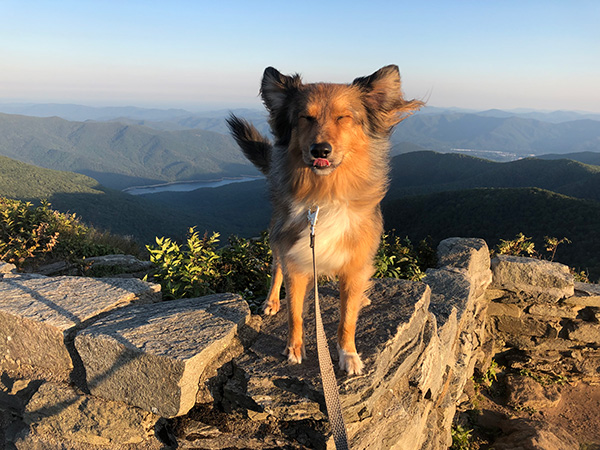
Shenandoah is an excellent choice for travelers who want to spend several days hiking with their dogs. With more than 500 miles of trails throughout the park and only a small portion closed to pets, it offers considerably more flexibility than many other national parks.
You can explore wooded trails, mountain scenery, and sections of the Appalachian Trail with your leashed dog. Pet-friendly camping and lodging options also make Shenandoah practical for a longer visit.
Limitations: Dogs are prohibited on certain trails, including Old Rag Ridge Trail, Dark Hollow Falls Trail, Bearfence Mountain Trail, and Stony Man Trail. Some restrictions apply only to particular trail segments, so check your exact route before heading out. Dogs must remain on a physical leash no longer than six feet.
Review the official Shenandoah pet rules before planning your hikes.
3. Olympic National Park (Mixed But Workable)
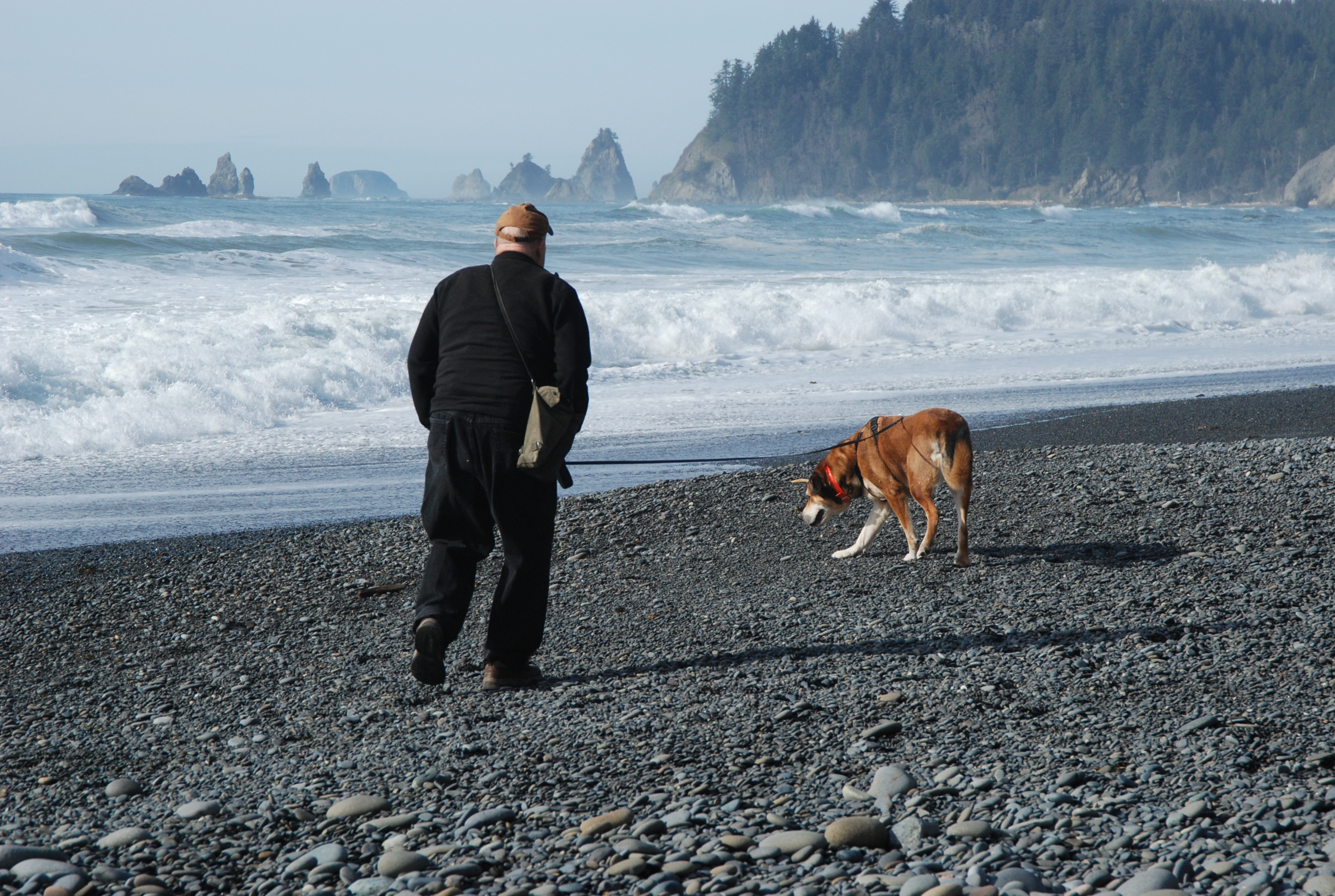
Olympic National Park can be a good destination for travelers with dogs, but choosing the right activities is especially important here. Most wilderness trails are off-limits to pets, so this isn’t a park where you can simply bring your dog on every hike.
However, leashed dogs are permitted in several designated areas, including the Spruce Railroad Trail along Lake Crescent and certain coastal sections. These locations offer opportunities to experience Olympic’s forests, lakes, and beaches together.
Nearby Olympic National Forest can provide additional dog-friendly hiking opportunities, although its regulations differ from those inside the national park.
Limitations: Pets are prohibited on most national park trails and wilderness beaches. Permitted coastal areas include Rialto Beach north to Ellen Creek and the Kalaloch beach strip between the Hoh and Quinault reservations. Tides, weather, and seasonal conditions can affect beach access.
Before visiting, check the official Olympic pet rules for permitted routes and current restrictions.
4. Petrified Forest National Park (Most Flexible Access)

Petrified Forest is one of the more accommodating national parks for visitors traveling with dogs. Unlike many parks that restrict pets to parking lots and developed areas, Petrified Forest allows leashed dogs on developed trails and in designated wilderness areas.
That flexibility makes it possible to explore colorful desert landscapes, petrified wood, and scenic overlooks with your dog. The park also offers a fenced Bark Park and a B.A.R.K. Ranger program.
Limitations: Dogs aren’t permitted inside park buildings and must remain on a physical leash no longer than six feet. Arizona’s desert temperatures can make exposed trails and pavement dangerous for paws, especially during warmer months. Bring plenty of water and plan outdoor activities for cooler hours.
Before visiting, review the official Petrified Forest pet rules.
5. Grand Canyon National Park (Best for Rim Views)

Grand Canyon National Park can work surprisingly well for travelers who want to enjoy scenic viewpoints with their dogs, particularly along the South Rim.
Leashed dogs are allowed on designated trails above the South Rim, making it possible to experience impressive canyon views without leaving your pet behind. This is a good option for visitors who prefer scenic walking over hiking into the canyon.
Limitations: Dogs aren’t allowed below the canyon rim or aboard park shuttle buses. Pet access is more limited on the North Rim, so don’t assume the same rules apply throughout the park. Dogs must remain on a physical leash no longer than six feet.
The South Rim has historically offered kennel services, but availability, operating hours, and requirements should be confirmed directly before relying on that option.
Review the official Grand Canyon pet rules before planning your visit.
6. Great Sand Dunes National Park (Best for a Unique Landscape)

Great Sand Dunes offers a memorable experience for travelers who want to explore a national park with their dogs. Unlike many parks where pets are restricted to parking areas, leashed dogs can accompany visitors into designated portions of the dunefield.
This gives you the opportunity to walk across the sand together, enjoy views of the surrounding mountains, and experience a landscape that’s very different from a traditional hiking trail. Some designated frontcountry trails also allow pets.
Limitations: Dogs are not permitted throughout the entire dunefield or in many backcountry areas. Check the park’s pet-access map before exploring so you know exactly where the boundaries are.
Sand temperatures can become dangerously hot for paws, even when the air temperature feels comfortable. Plan your visit for cooler morning or evening hours, carry extra water, and avoid long walks during the hottest part of the day.
Review the official Great Sand Dunes pet rules and access map before your visit.
7. White Sands National Park (Easiest Open Exploration)

White Sands is one of the more flexible national parks for travelers with dogs. Leashed pets are generally permitted throughout the park’s outdoor public areas, including designated trails and the white gypsum dunes.
That makes White Sands appealing if you want to explore the landscape together rather than limit your visit to a few roadside viewpoints. You can enjoy short walks, take photographs, and experience the dunes at your own pace.
Limitations: Dogs are not allowed inside the visitor center, gift shop, or other public buildings. They must remain on a physical leash no longer than six feet and cannot be left unattended.
Although the sand may look inviting, southern New Mexico’s intense sunshine and high temperatures can create dangerous conditions for dogs. Bring plenty of water, watch for signs of overheating, and schedule longer walks during cooler hours.
Check the official White Sands National Park visitor information for current conditions and pet restrictions.
8. Cuyahoga Valley National Park (Best for Trail Variety)

Cuyahoga Valley is an excellent choice for travelers who want to enjoy a variety of outdoor activities with their dogs. Located between Cleveland and Akron, Ohio, the park offers more than 100 miles of hiking trails where leashed pets are welcome.
The Ohio & Erie Canal Towpath Trail is particularly appealing for visitors who prefer easier walks, while the park’s wooded trails provide opportunities to explore forests, streams, and scenic landscapes. Its accessibility makes Cuyahoga Valley a practical option for both a day trip and a longer getaway.
Limitations: Dogs aren’t permitted inside park buildings, aboard the Cuyahoga Valley Scenic Railroad, or on the East Rim mountain biking trails. Pets must remain on a physical leash no longer than six feet.
Before choosing your route, review the official Cuyahoga Valley pet rules..
9. Indiana Dunes National Park (Best for Beaches and Trails)

Indiana Dunes is a great option for travelers who want to combine beach time with hiking. Located along the southern shore of Lake Michigan, the park allows leashed dogs on many of its trails and beaches.
You can explore wooded paths, dunes, and stretches of shoreline while enjoying views of Lake Michigan. This variety makes Indiana Dunes especially appealing for visitors who want more than one type of outdoor experience without having to leave their dogs behind.
Limitations: Not every trail or beach area permits pets. Restrictions apply at Pinhook Bog and certain designated areas, while seasonal rules affect portions of West Beach during the swimming season. Dogs must remain on a physical leash no longer than six feet.
Check the official Indiana Dunes pet rules before visiting, particularly if you’re planning a summer beach trip.
Popular National Parks With Major Pet Restrictions

Not every national park is a good destination for travelers who want to hike with their dogs. Some of the country’s most popular parks have significant restrictions that limit where pets can go.
Yellowstone National Park allows dogs in certain developed areas, but pets are prohibited on hiking trails, boardwalks, and in the backcountry. You can enjoy portions of the park by car, but exploring its famous thermal areas with your dog isn’t an option.
Glacier National Park has similar limitations. Dogs are generally restricted to developed areas, roads, and certain designated locations rather than the park’s hiking trails.
Zion National Park offers limited pet-friendly hiking opportunities, including the Pa’rus Trail, but most other trails are off-limits.
These parks can still work for a scenic road trip with your dog, particularly if you’re staying nearby and planning alternative activities. However, they aren’t the best choices if hiking together is your main priority.
For more specific planning advice, read our Yellowstone With a Dog guide.
What Makes a National Park Dog-Friendly?
A truly dog-friendly national park offers more than permission to bring pets through the entrance gate.
The most useful parks allow dogs on meaningful hiking routes, scenic trails, beaches, or other outdoor areas where visitors can spend time exploring together.
It’s also important to consider how easily you can plan an entire day around your dog. A park with several pet-friendly trails and nearby accommodations may be a better choice than one that permits dogs at only a few overlooks.
That’s why Acadia and Shenandoah rank so highly in this guide. They offer enough flexibility to build an enjoyable trip around activities you can share with your dog.
How to Plan a Dog-Friendly National Park Trip

Planning ahead is especially important when traveling with pets because national park rules can vary significantly from one destination to another.
Start by checking the park’s official pet regulations and identifying specific trails, beaches, and viewpoints where dogs are permitted. Don’t assume that a trail is dog-friendly simply because it’s paved or easily accessible.
Next, confirm the rules for campgrounds, lodging, shuttle transportation, and other activities you plan to use. If your itinerary includes areas where dogs aren’t allowed, decide how you’ll handle those activities before arriving.
Weather also deserves special attention. Hot pavement, exposed trails, limited shade, and long distances between water sources can make an otherwise easy outing uncomfortable or dangerous for dogs.
Bring plenty of drinking water, waste bags, and appropriate supplies for the terrain. Always keep your dog under control, respect wildlife, and never leave pets unattended in a vehicle.
WTT Tip: Build your itinerary around the places your dog can actually visit rather than choosing a famous national park first and trying to make the pet restrictions work afterward.
For accommodations, you can find pet-friendly stays on Expedia. Always confirm the property’s individual pet policy, fees, and restrictions before booking.
What Most People Get Wrong About Dogs in National Parks
One of the biggest mistakes travelers make is assuming that a national park is dog-friendly simply because pets are allowed through the entrance.
There’s a significant difference between being allowed to bring your dog into a park and being able to explore that park together.
For example, Yellowstone permits dogs in certain developed areas but prohibits them on hiking trails and boardwalks. Acadia, on the other hand, offers extensive trail access, making it much easier to plan a full day of activities with your dog.
Another common mistake is choosing accommodations before researching the park’s pet restrictions. A pet-friendly hotel doesn’t necessarily mean the nearby attractions will welcome your dog.
The best approach is to identify the activities you want to enjoy together, confirm where dogs are permitted, and build your itinerary around those opportunities.
Frequently Asked Questions
Are dogs allowed in most national parks?
Dogs are permitted in many national parks, but access varies considerably. Some parks allow leashed pets on numerous hiking trails, while others restrict them to roads, campgrounds, and developed areas. Always check the individual park’s regulations before visiting.
What is the most dog-friendly national park?
Acadia and Shenandoah are among the best national parks for dogs because they allow pets on extensive trail networks. Acadia also offers miles of carriage roads, making it particularly appealing for visitors who enjoy scenic walks with their dogs.
Can you hike with dogs in national parks?
Yes, but only on trails where pets are specifically permitted. Shenandoah, Acadia, and Cuyahoga Valley offer numerous dog-friendly hiking opportunities. Other parks, including Yellowstone and Glacier, prohibit dogs on most or all hiking trails.
Is Yellowstone National Park dog-friendly?
Yellowstone is not a particularly dog-friendly destination for visitors who want to hike with their pets. Dogs are permitted in certain developed areas but cannot accompany visitors on hiking trails, boardwalks, or into the backcountry.
For more information, see our Yellowstone With a Dog guide.
Can dogs stay in national park campgrounds?
Many national park campgrounds permit dogs, although leash requirements and other restrictions apply. Rules vary by campground, and some accommodations within national parks prohibit pets entirely. Confirm the specific campground’s policy before making reservations.
Bottom Line
The best national parks for dogs are those where you can enjoy meaningful outdoor experiences together rather than simply bring your pet through the entrance.
Acadia and Shenandoah are excellent choices for hiking, while White Sands and Petrified Forest offer more flexibility for exploring unique landscapes. Grand Canyon, Olympic, Great Sand Dunes, Cuyahoga Valley, and Indiana Dunes also provide worthwhile opportunities when you plan around their restrictions.
Before choosing your destination, review the park’s official pet rules and decide which activities matter most to you and your dog.
For more ideas, explore our Dog-Friendly Travel Guides, including destination guides, pet-friendly lodging advice, and road-trip planning tips.