Astoria Oregon Travel Guide: Things to Do + 1-Day Itinerary

This post may contain affiliate links. If you book or purchase through them, I may earn a small commission at no extra cost to you. I only recommend travel resources and experiences that genuinely help make Oregon Coast trips easier to plan.
Table of Contents
Planning a trip to Astoria, Oregon? This Astoria Oregon travel guide will help you decide what to see, how long to stay, and how to fit the city into a larger Oregon Coast road trip.
Instead of centering your visit around a long sandy beach, you’ll spend more time exploring the Columbia River waterfront, maritime history, hillside viewpoints, historic sites, and landmarks connected to the region’s past.
Located near the mouth of the Columbia River, Astoria makes an especially good first or last stop on an Oregon Coast road trip. It’s also close enough to Fort Stevens, Fort Clatsop, and Cannon Beach that you can build a much larger North Coast itinerary around it.
But Astoria deserves more than a drive-through.
This guide covers the best things to do in Astoria, how much time you need, where to stay, and how to organize the highlights into a realistic one-day visit.
Quick Answer
Astoria is worth visiting if you enjoy history, riverfront scenery, maritime culture, viewpoints, or exploring towns as much as beaches.
For a first visit, prioritize:
Astoria Column for panoramic views
Astoria Riverwalk for the waterfront
Columbia River Maritime Museum for regional history
Fort Stevens State Park for the Peter Iredale and military history
Fort Clatsop if Lewis and Clark history interests you
If you only have one day, don’t try to do everything. Spend the morning around Astoria’s waterfront, choose one or two major attractions in town, and use the afternoon for either Fort Stevens or Fort Clatsop.
Have two days? That’s when Astoria becomes a particularly good North Oregon Coast base—you can explore the city without rushing and still have time for the surrounding historic sites and coastline.
Why Visit Astoria?
Astoria is worth adding to an Oregon Coast itinerary because it offers something you won’t get from most other towns along Highway 101.
The city sits along the Columbia River near the point where it meets the Pacific Ocean, and that location has shaped nearly everything about Astoria—from its maritime history and working waterfront to its architecture and viewpoints.
Instead of spending your entire visit hopping between beaches, you can walk along the river, watch enormous ships move through the Columbia, learn about the notoriously challenging Columbia River Bar, explore historic sites, and climb above town for panoramic views.
Astoria is especially worth considering if you:
- Enjoy history and maritime museums
- Want a break from beach-focused stops
- Are interested in Lewis and Clark history
- Want to visit Fort Stevens and the Peter Iredale shipwreck
- Are starting or ending an Oregon Coast road trip in the north
- Prefer a town with restaurants, shops, and attractions you can explore between outdoor stops
It’s also a useful North Coast overnight base. Cannon Beach and Seaside are within easy driving distance, while Fort Stevens State Park and Lewis and Clark National Historical Park give you several worthwhile places to explore without driving far south.
If your Oregon Coast itinerary is already packed with beaches, Astoria is one of the best places to add some variety.
Best Things to Do in Astoria Oregon
Astoria has enough to fill a full day without feeling like you’re checking attractions off a list. The key is choosing a mix of riverfront scenery, history, viewpoints, and one of the larger historic sites outside downtown.
Here are the stops I’d prioritize.
1. See the Astoria-Megler Bridge

The Astoria-Megler Bridge is Astoria’s most recognizable landmark, stretching more than four miles across the Columbia River between Oregon and Washington.
You don’t need to cross the bridge just to experience it. Some of the best views come from the Astoria waterfront, where you can see the bridge rising above the river and watch ships passing beneath it.
Best for: Photography, river views, first-time visitors, and an easy introduction to Astoria.
Know before you go: The bridge is part of U.S. Highway 101 and is meant for vehicle traffic. Build your bridge experience around the viewpoints and waterfront rather than treating the bridge itself as a walking attraction.
If you’re continuing into Washington, crossing it becomes part of the experience—and gives you a completely different perspective of the Columbia River.
2. Walk the Astoria Riverwalk

The Astoria Riverwalk is one of the easiest ways to experience the city’s working waterfront.
The route follows the Columbia River through much of Astoria, passing docks, historic buildings, restaurants, museums, and places where you can stop to watch cargo ships and fishing boats move along the river.
You don’t need to walk the entire route. For most visitors, it’s better to choose a section near the downtown waterfront and combine it with the Columbia River Maritime Museum, lunch, or another nearby attraction.
Best for: River views, walking, photography, ship watching, and getting a feel for Astoria without driving between every stop.
Know before you go: The Riverwalk shares portions of its corridor with the historic trolley tracks, so stay aware of your surroundings and follow posted guidance along the route.
Give yourself 30–60 minutes for a casual walk, or longer if you plan to stop for food, museums, or waterfront photography along the way.
3. Visit the Astoria Column

The Astoria Column is one of the best places to get a sense of Astoria’s location between the Columbia River, surrounding hills, and the Pacific Northwest coastline.
The column stands high above town on Coxcomb Hill, and the observation deck at the top provides panoramic views across the river toward Washington and over the surrounding landscape.
You’ll need to climb a 164-step spiral staircase to reach the observation deck, so the top isn’t accessible to everyone. Even if you skip the climb, the hilltop setting and views from the grounds still make the stop worthwhile.
Best for: Panoramic views, photography, first-time visitors, and understanding Astoria’s geography.
Know before you go: Parking is available near the column, so you don’t need to hike up from downtown. Weather can make a big difference here—fog, rain, or low clouds may obscure the views.
Allow roughly 30–60 minutes, depending on whether you climb the column and how long you spend enjoying the viewpoint.
For most first-time visitors, this is one of the Astoria stops I would not skip.
4. Explore Astoria’s Famous Filming Locations
Astoria’s movie history is part of what makes the town fun to explore, especially if you grew up watching The Goonies.
Several scenes from the 1985 movie were filmed in and around Astoria, and fans still visit town specifically to see recognizable locations. Other movies, including Kindergarten Cop and Short Circuit, also used Astoria as a filming location.
The important thing is to treat these as real neighborhoods and private properties, not traditional tourist attractions.
Best for: Movie fans, nostalgic stops, and travelers looking for something different between Astoria’s historic attractions.
Know before you go: The famous Goonies house is a private residence. Respect signs, parking restrictions, neighboring homes, and any current access guidance. Don’t enter private property or block residential streets for photos.
If movie locations aren’t important to you, this is an easy stop to skip. Astoria’s waterfront, Column, museums, and historic sites are much stronger priorities for a first visit.
5. Visit the Columbia River Maritime Museum
The Columbia River Maritime Museum is one of Astoria’s strongest attractions and one of the best places to understand why the Columbia River has played such an important role in the city’s history.
Exhibits focus on the Columbia River, commercial fishing, navigation, shipwrecks, Coast Guard rescues, and the Columbia River Bar—the challenging area where the river meets the Pacific Ocean.
This is more than a rainy-day backup. Even if you don’t normally prioritize museums, the exhibits provide useful context for the ships, working waterfront, and river you’ll see throughout the rest of your visit.
Best for: Maritime history, families, rainy days, first-time visitors, and anyone interested in the Columbia River.
Know before you go: Give yourself enough time to actually explore rather than squeezing the museum between other stops. For most visitors, about 1½–2 hours is reasonable.
If you’re choosing between several Astoria attractions, I’d rank the Maritime Museum alongside the Astoria Column as one of the highest-priority stops for a first visit.
6. Take in Astoria’s Scenic Viewpoints
Astoria is built into steep hills above the Columbia River, which means some of the city’s best scenery appears when you get above the waterfront.
The Astoria Column on Coxcomb Hill provides the most obvious panoramic viewpoint, but you’ll also catch impressive views while driving through Astoria’s hillside neighborhoods and higher streets.
Rather than spending time hunting for a long list of unofficial photo spots, make the Column your primary viewpoint and enjoy the other river and bridge views you encounter naturally as you explore town.
Best for: Photography, Columbia River views, sunsets, and travelers who enjoy scenic drives.
Know before you go: Astoria’s hillside streets can be surprisingly steep and narrow. Don’t stop in traffic or block residential driveways to take photos.
This doesn’t need to be a separate hour-long attraction. Think of Astoria’s viewpoints as part of exploring the city, especially as you travel between downtown and the Astoria Colu
7. Eat Along the Astoria Waterfront
Astoria is a good place to build a real meal into your Oregon Coast itinerary rather than treating lunch as another quick road-trip stop.
The waterfront and downtown area have seafood, casual restaurants, coffee shops, breweries, and places where you can eat while staying close to the Riverwalk and other major attractions.
Instead of choosing a restaurant simply because it has a river view, pick one that fits where you’ll already be during the day. This keeps you from losing time driving across town between lunch and your next stop.
Best for: Seafood, local restaurants, coffee, breweries, and breaking up a full sightseeing day.
Planning tip: If you’re visiting the Columbia River Maritime Museum in the morning, lunch fits naturally afterward before heading uphill to the Astoria Column or out toward Fort Stevens or Fort Clatsop.
Astoria has enough worthwhile food options that I would leave some flexibility rather than building your entire day around one specific restaurant.
8. Use Astoria as a Base for the North Oregon Coast
Astoria works especially well as an overnight base if you want to explore more than the city itself.
Stay here and you can combine Astoria’s waterfront and historic attractions with several very different North Coast destinations without constantly changing hotels.
Head west for Fort Stevens State Park and the Pacific Ocean.
Head south for Seaside, Cannon Beach, and the rest of your Highway 101 road trip.
Head across the Astoria-Megler Bridge if your trip continues into Washington and the Long Beach Peninsula.
For most WTT road trips, however, Astoria makes the most sense as the northern starting point for an Oregon Coast route. Spend a night here, explore the city and nearby historic sites, and then begin working south rather than trying to squeeze Astoria into the same day as several beach towns.
If you’re planning the entire coast, my 7 Day Oregon Coast Itinerary shows how Astoria fits into a realistic north-to-south route..
9. Photograph the Bridge and Columbia River
Astoria is one of the most photogenic towns on the northern Oregon Coast, but you don’t need a separate photography itinerary to find good views.
The Astoria-Megler Bridge, Columbia River, working waterfront, historic buildings, and surrounding hills create plenty of opportunities as you move through town.
For bridge photos, the waterfront and Riverwalk are the easiest places to start. Higher areas around the Astoria Column give you a completely different perspective over the river and city.
Best for: Bridge photography, river views, architecture, ships, and changing coastal weather.
Know before you go: Don’t count on a perfect sunset. Fog, clouds, rain, and shifting light are part of Astoria’s character and can make the waterfront just as interesting to photograph as a clear evening.
I wouldn’t schedule this as a separate attraction. Bring your camera or phone while exploring the Riverwalk, waterfront, and Column and let the photo stops happen naturally.
10. Visit Fort Stevens State Park
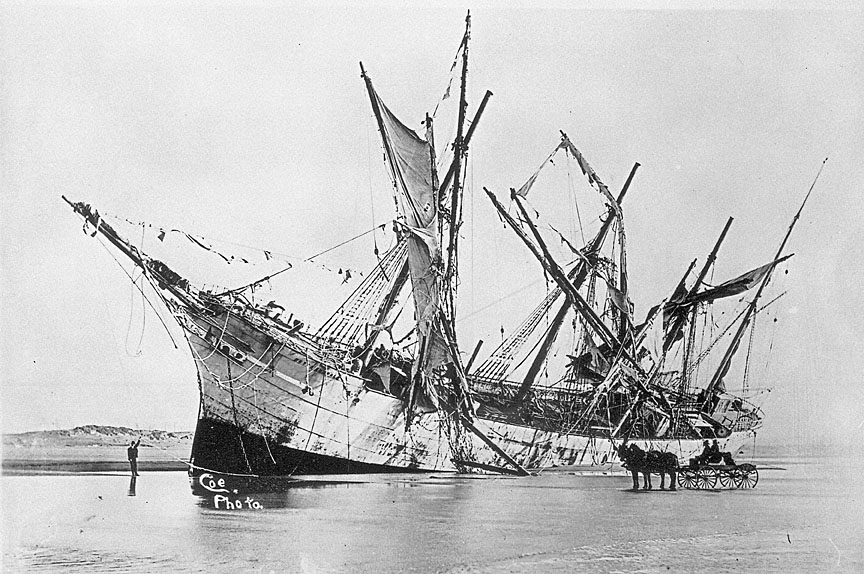
Just west of Astoria, Fort Stevens State Park is worth the short drive if you have enough time to explore beyond downtown.
The park combines Oregon Coast scenery with military history and one of the area’s most recognizable landmarks: the Peter Iredale shipwreck. The remains of the ship have been sitting on the beach since it ran aground in 1906.
Fort Stevens also preserves historic military batteries and other remnants of the fort that once guarded the mouth of the Columbia River.
Best for: History, the Peter Iredale shipwreck, beach scenery, photography, families, and travelers spending a full day or longer around Astoria.
Know before you go: Fort Stevens is large enough that you shouldn’t treat it as a five-minute roadside stop. The shipwreck, historic areas, trails, and beaches are spread throughout the park.
If you only want to see the Peter Iredale, you can make this a shorter visit. If military history interests you, allow considerably more time to explore the historic fort area as well.
For a one-day Astoria itinerary, I’d usually choose Fort Stevens or Fort Clatsop for the afternoon rather than trying to rush through both.
11. Explore Lewis and Clark National Historical Park
If you’re interested in the history of the Oregon Coast, Lewis and Clark National Historical Park is another worthwhile stop near Astoria.
The main attraction on the Oregon side is Fort Clatsop, where the Corps of Discovery spent the winter of 1805–1806 before beginning their return journey east.
The site includes a reconstructed fort, visitor center, historical exhibits, and trails that help put the expedition—and the people and landscape they encountered—into better context.
Best for: American history, families, educational stops, walking trails, and travelers interested in the Lewis and Clark expedition.
Know before you go: Fort Clatsop charges an entrance fee, and hours vary seasonally. No timed-entry reservation is currently required, but check current National Park Service hours and fees before your visit.
For a one-day Astoria visit, I’d usually make a choice:
Choose Fort Stevens if you’re more interested in beaches, the Peter Iredale shipwreck, and military history.
Choose Fort Clatsop if Lewis and Clark history and historical interpretation interest you more.
With two days in Astoria, you can comfortably visit both.
Where to Stay in Astoria Oregon
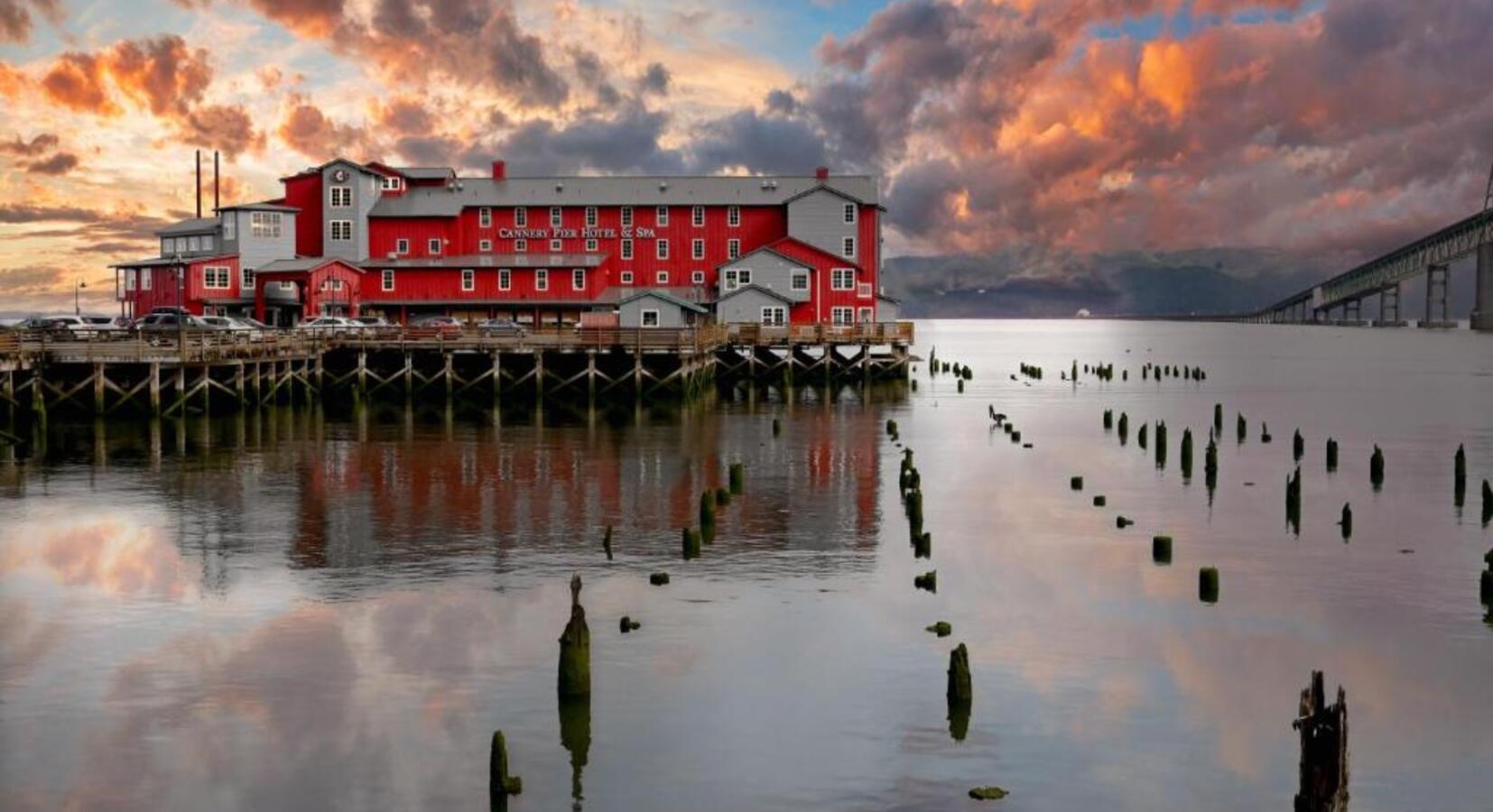
Astoria is a good place to spend one or two nights, especially if you’re starting an Oregon Coast road trip or want enough time to explore Fort Stevens and Fort Clatsop without rushing.
Where you stay matters less by neighborhood here than it does in some larger destinations. I’d choose based primarily on whether you want river views, walkability, historic character, or a lower price.
Waterfront Hotels
The waterfront is my first choice for most first-time visitors.
You’ll be close to the Riverwalk, restaurants, the Columbia River Maritime Museum, and some of Astoria’s best river and bridge views. If you’re willing to pay more for the experience, look for a river-facing room.
Downtown and Historic Hotels
Staying around downtown works well if you want restaurants, shops, coffee, and Astoria’s historic character within easy reach.
You may give up a direct waterfront view, but the location can be more convenient if you plan to spend your evening exploring town on foot.
Budget-Friendly Stays
You don’t need an expensive riverfront room to make Astoria a useful overnight stop.
If Astoria is simply the beginning or end of a longer Oregon Coast road trip, choosing a clean, well-reviewed hotel or inn with convenient parking can make more sense than paying extra for the view.
What I’d Choose
For one night, I’d prioritize location and stay near the waterfront or downtown.
For two nights, you have more flexibility. Astoria can become your base for the city, Fort Stevens, Fort Clatsop, and the surrounding North Coast rather than changing hotels each night.
Before booking, compare the location, parking, room type, and cancellation policy, not just the nightly rate.
Check Astoria hotel availability on Booking.com or compare stays through Expedia.
Astoria 1-Day Itinerary
One day is enough to see Astoria’s major highlights, but only if you don’t try to squeeze every attraction into the same day.
A realistic first visit combines the waterfront, one major museum, the Astoria Column, and either Fort Stevens or Fort Clatsop.
Morning — Riverwalk + Maritime Museum
Start along the Astoria Riverwalk while the day is still relatively quiet.
Spend some time walking the waterfront, watching ships on the Columbia River, and taking in views of the Astoria-Megler Bridge.
Then visit the Columbia River Maritime Museum. Give yourself enough time to explore the exhibits rather than rushing through them.
Lunch — Downtown or Waterfront
Stay near the waterfront or downtown for lunch.
This keeps the day moving efficiently and puts you in a good position to head uphill for your next stop.
Early Afternoon — Astoria Column
Drive up to the Astoria Column and climb to the observation deck if you’re comfortable with the 164-step staircase.
Allow around 30–60 minutes for the Column and surrounding views.
Late Afternoon — Choose One
This is where I’d make a decision instead of trying to do everything.
Choose Fort Stevens State Park if you want the Peter Iredale shipwreck, beach scenery, and military history.
Choose Fort Clatsop if you’re more interested in Lewis and Clark history and historical exhibits.
Trying to thoroughly visit both after spending the morning in Astoria makes the day unnecessarily rushed.
If you’re choosing Fort Clatsop, check the day’s closing time before spending too long in Astoria. Outside the summer season, the site may close earlier than your other stops.
Evening — Return to Astoria
Finish your day back in Astoria with dinner and another walk along the waterfront if you still have the energy.
If you’re staying overnight, this is also a good reason to choose a hotel near downtown or the river—you can park the car and enjoy the end of the day without adding another drive.
Have Two Days?
Use the second day for the attraction you skipped—Fort Stevens or Fort Clatsop—and give yourself more time for Astoria’s downtown, filming locations, restaurants, or a longer Riverwalk.
Two days also makes it much easier to continue south toward Seaside and Cannon Beach without turning your North Coast visit into a race.
Best Time to Visit Astoria
Astoria is a year-round destination, but the experience changes considerably with the season. For most travelers, late spring through early fall offers the easiest combination of longer days, outdoor sightseeing, and road-trip weather.
Summer
Summer is the most popular time to visit Astoria.
Long daylight hours make it easier to combine the Riverwalk, Astoria Column, museums, and nearby parks in the same trip. It’s also the easiest season to continue south on a longer Oregon Coast road trip.
The tradeoff is more visitors and greater demand for lodging, especially on weekends.
If you’re visiting in summer, book your hotel ahead and don’t assume clear skies just because it’s July or August. Fog, wind, and cool temperatures are still possible.
Fall
Early fall can be an excellent time to visit Astoria, particularly if you want to travel after the busiest part of summer.
You’ll generally have less competition for popular attractions and lodging, while September can still provide plenty of daylight for exploring.
As the season progresses, expect cooler temperatures, more rain, and shorter days.
Winter
Winter gives Astoria a completely different personality.
This is a good season if you enjoy stormy river views, museums, historic buildings, cozy restaurants, and moody coastal scenery more than long days outdoors.
Rain, wind, and storms can affect outdoor plans, so keep your itinerary flexible and check conditions before visiting beaches, parks, or exposed viewpoints.
Spring
Spring is a transition season and can work particularly well for travelers who don’t mind unpredictable weather.
You’ll generally encounter fewer peak-season crowds, but rain and cool temperatures remain common. Pack layers and waterproof outerwear and build some flexibility into your plans.
When Would I Go?
For a first Oregon Coast road trip, I’d choose June through September for the longer daylight and easier sightseeing schedule.
If avoiding the busiest summer period matters more, September can be an especially appealing compromise.
Regardless of the month, don’t plan an Astoria trip around guaranteed sunshine. The changing weather is part of traveling the northern Oregon Coast, and having the right layers matters more than trying to predict a perfectly clear day.
For what to bring, use my Oregon Coast Packing List.
Traveling With a Dog?
Astoria can fit well into a dog-friendly Oregon Coast road trip, but not every attraction allows dogs, so you’ll want to plan this part of the day rather than assuming your dog can accompany you everywhere.
Outdoor stops such as portions of the waterfront, Fort Stevens State Park, and nearby beaches can give you plenty of opportunities to get outside together. Museums, visitor centers, and other indoor attractions generally require a different plan for pets unless they’re service animals.
Rules can also vary by park, trail, beach, and season, so check current posted restrictions before visiting.
For a full breakdown of dog-friendly beaches, stops, and planning considerations, use my Dog-Friendly Oregon Coast Guide.
Frequently Asked Questions
What is Astoria Oregon known for?
Astoria is best known for its Columbia River waterfront, Astoria-Megler Bridge, maritime history, Astoria Column, and connection to the Lewis and Clark expedition. It’s also famous as a filming location for The Goonies. Unlike many Oregon Coast towns, Astoria’s identity centers more on the river, history, and working waterfront than on a traditional beach.
Is Astoria worth visiting?
Yes. Astoria is especially worth visiting if you enjoy history, river views, museums, historic architecture, or exploring coastal towns beyond their beaches. It also works well as the northern starting point for an Oregon Coast road trip because Fort Stevens, Fort Clatsop, Seaside, and Cannon Beach can all be incorporated into the surrounding route.
How much time do you need in Astoria?
One full day is enough for a good first visit to Astoria. That gives you time for the Riverwalk, Columbia River Maritime Museum, Astoria Column, and either Fort Stevens or Fort Clatsop. With two days, you can visit both historic sites, explore downtown at a slower pace, and spend more time along the waterfront.
Is Astoria better than Cannon Beach?
Neither is necessarily better—they offer very different experiences. Choose Astoria for maritime history, museums, river views, historic sites, and a more urban waterfront. Choose Cannon Beach for a classic Oregon Coast beach experience, Haystack Rock, coastal scenery, and a walkable beach town. If you have enough time, the two destinations work extremely well together on the same North Coast trip.
Can you walk the Astoria Riverwalk?
Yes. Walking a portion of the Astoria Riverwalk is one of the easiest ways to experience the waterfront. You don’t need to walk the entire route; choose a section near downtown or the Columbia River Maritime Museum and combine it with other nearby stops.
Is Fort Stevens worth visiting near Astoria?
Yes, particularly if you’re interested in the Peter Iredale shipwreck, military history, beaches, or outdoor recreation. Fort Stevens State Park is large, so allow more time if you want to explore the historic military areas in addition to seeing the shipwreck. For a one-day Astoria itinerary, I’d generally choose Fort Stevens or Fort Clatsop rather than rushing through both.
Bottom Line
Astoria is worth visiting because it offers a completely different experience from the beach towns that define much of the Oregon Coast.
Come here for the Columbia River waterfront, maritime history, Astoria Column, historic sites, and working-port atmosphere. Then use Astoria as a base for exploring Fort Stevens, Fort Clatsop, and the northern end of the coast.
If you only have one day, focus on the Riverwalk, Columbia River Maritime Museum, Astoria Column, and either Fort Stevens or Fort Clatsop.
With two days, slow down. Explore both historic sites, spend more time downtown and along the waterfront, and enjoy Astoria as a destination rather than simply the place where your Highway 101 road trip begins.
For travelers who want more than beaches and viewpoints, Astoria is one of the most interesting stops on the Oregon Coast.
Ready to Plan Your Oregon Coast Trip?
Astoria may be your starting point, but deciding what comes next—and how much time to spend in each town—is where Oregon Coast planning gets more complicated.
The Oregon Coast Travel Planning System helps you organize your route, overnight stops, must-see places, reservations, budget, and trip details without overloading your travel days.
Plan Your Oregon Coast Trip
Continue planning with: